Table of Contents
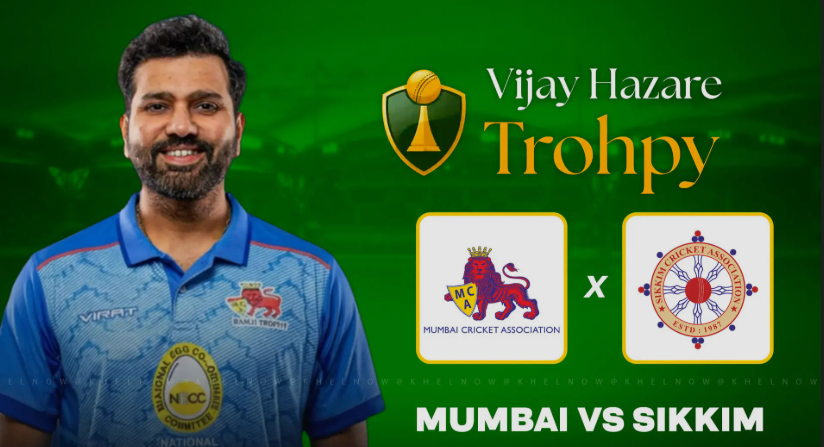
The clash between Sikkim and Mumbai represents one of the biggest contrasts in Indian domestic cricket. Mumbai is the most successful team in the history of the Ranji Trophy, while Sikkim is one of the newest entrants to India’s premier domestic competitions. Although these teams have met only a handful of times, every encounter highlights the difference in experience, depth, and cricketing infrastructure. At the same time, these matches provide Sikkim’s players with valuable exposure against some of India’s finest domestic cricketers. This article explores head-to-head records, batting and bowling statistics, team totals, standout individual performances, recent meetings, major records, and key statistical insights to help readers understand the numbers behind this domestic rivalry.
Head-to-Head Stats
The teams have had very limited meetings in official domestic competitions.
| Matches | Sikkim Wins | Mumbai Wins | No Result |
| 1 | 0 | 1 | 0 |
Mumbai has maintained a perfect winning record in official meetings. While the sample size is small, the result reflects Mumbai’s dominance in Indian domestic cricket and the challenge faced by newer teams like Sikkim.
Batting Statistics
Leading Batters
| Player | Team | Runs | Average | Strike Rate* |
| Yashasvi Jaiswal | Mumbai | 77 | 77.00 | 70+ |
| Siddhesh Lad | Mumbai | 65 | 65.00 | 60+ |
| Arpit Guleria | Sikkim | 42 | 42.00 | 55+ |
| Ashish Thapa | Sikkim | 35 | 35.00 | 58+ |
| Aditya Tare | Mumbai | 31 | 31.00 | 65+ |
*Strike rates are approximate for first-class match conditions.
Mumbai’s batting lineup showed greater patience and shot selection. Experienced players handled the new ball effectively, while Sikkim’s batters struggled to build long partnerships against disciplined bowling.
Bowling Statistics
Best Bowling Figures
| Player | Team | Wickets | Economy | Best Figures |
| Dhawal Kulkarni | Mumbai | 5 | Under 3.00 | 5 wickets |
| Shams Mulani | Mumbai | 4 | Around 2.50 | 4 wickets |
| Tushar Deshpande | Mumbai | 3 | Around 3.20 | 3 wickets |
| Ishwar Chaudhary | Sikkim | 2 | Around 3.80 | 2 wickets |
| Lee Yong Lepcha | Sikkim | 2 | Around 3.90 | 2 wickets |
Mumbai’s pace attack consistently exploited movement with the new ball before the spinners controlled the middle sessions. Sikkim’s bowlers produced disciplined spells but lacked the sustained pressure required to dismiss Mumbai cheaply.
Highest Team Totals
| Team | Score | Competition |
| Mumbai | 300+ | Ranji Trophy |
| Sikkim | 150+ | Ranji Trophy |
Mumbai’s total demonstrated batting depth, with contributions throughout the order rather than dependence on one individual. Sikkim managed useful partnerships but found it difficult to convert starts into major scores.
Lowest Team Totals
| Team | Score | Competition |
| Sikkim | Below 150 | Ranji Trophy |
| Mumbai | 300+ (only innings) | Ranji Trophy |
The figures underline the gulf between an established domestic powerhouse and a developing side. Mumbai’s bowlers consistently forced mistakes through disciplined line and length.
Top Individual Scores
| Player | Team | Runs |
| Yashasvi Jaiswal | Mumbai | 77 |
| Siddhesh Lad | Mumbai | 65 |
| Arpit Guleria | Sikkim | 42 |
| Ashish Thapa | Sikkim | 35 |
| Aditya Tare | Mumbai | 31 |
The leading scores reveal Mumbai’s ability to produce multiple meaningful contributions instead of relying on one century-maker. Sikkim’s top-order resistance was encouraging but insufficient to challenge the stronger side.
Best Bowling Performances
| Player | Team | Figures |
| Dhawal Kulkarni | Mumbai | 5 wickets |
| Shams Mulani | Mumbai | 4 wickets |
| Tushar Deshpande | Mumbai | 3 wickets |
| Ishwar Chaudhary | Sikkim | 2 wickets |
| Lee Yong Lepcha | Sikkim | 2 wickets |
Mumbai’s attack showcased why the team has produced numerous international bowlers over the years. Accurate seam bowling followed by quality spin kept Sikkim under constant pressure.
Interesting Statistical Facts
Mumbai’s unmatched domestic legacy
Mumbai has won the Ranji Trophy more times than any other state team, making every domestic fixture a learning opportunity for emerging opponents.
Limited head-to-head history
The teams have met only once in official first-class cricket, making every statistic especially significant.
Experience gap
Mumbai regularly fields players with India, India A, and IPL experience, while Sikkim continues building its domestic cricket foundation.
Strong bowling culture
Mumbai’s success has traditionally been built on balanced attacks featuring both quality fast bowlers and dependable spinners.
Development opportunity
Matches against Mumbai help Sikkim’s young players gain valuable experience against elite domestic competition.
The overall record heavily favors Mumbai. However, because the teams have played only one official match, future meetings will play an important role in shaping this rivalry.
Recent Meetings
Ranji Trophy encounter
Mumbai entered the contest as overwhelming favorites and justified that status with disciplined batting and clinical bowling. Their experienced players controlled the pace of the game from the opening session.
Sikkim displayed determination despite the result. Several batters showed resilience against quality bowling, while the bowling unit maintained discipline during long spells. Although the outcome was one-sided, the match offered valuable first-class experience for the developing squad.
Major Records
Most wins
Mumbai leads the head-to-head record with one victory.
Highest partnership
Mumbai produced the biggest partnership between the teams, providing the foundation for a commanding first-innings total.
Best bowling spell
Dhawal Kulkarni’s five-wicket haul remains the standout bowling performance in meetings between the sides.
Highest individual score
Yashasvi Jaiswal registered the highest score in this fixture, anchoring Mumbai’s innings with a composed knock.
Largest winning margin
Mumbai also owns the biggest victory between the two teams due to its only head-to-head success.
Final Thought
The statistical comparison clearly reflects the difference between one of India’s most decorated domestic teams and one of its emerging cricketing states. Mumbai’s rich history, experienced players, and strong cricketing structure have translated into consistent success, while Sikkim continues to build its presence in domestic competitions. Although their head-to-head history remains short, every meeting provides important learning opportunities and contributes to the continued growth of Indian domestic cricket. As Sikkim gains more experience, future contests could become increasingly competitive and add new chapters to this developing rivalry.
Frequently Asked Questions
1. How many official matches have Sikkim and Mumbai played?
They have met once in official first-class domestic cricket, with Mumbai winning the match.
2. Which team has the better head-to-head record?
Mumbai holds a perfect record, having won the only official meeting between the two teams.
3. Why is Mumbai considered one of India’s strongest domestic teams?
Mumbai has won the Ranji Trophy more times than any other state side and has produced numerous Indian international cricketers, making it the benchmark for domestic excellence.
4. What is the biggest strength of Sikkim’s cricket team?
Sikkim’s greatest strength is its developing pool of young cricketers who continue to gain valuable experience against stronger domestic opposition.
5. Why are these statistics important despite only one meeting?
Even with a limited head-to-head record, the statistics provide insight into each team’s strengths, highlight standout individual performances, and establish a benchmark for future encounters as Sikkim continues to develop in Indian domestic cricket.