Table of Contents
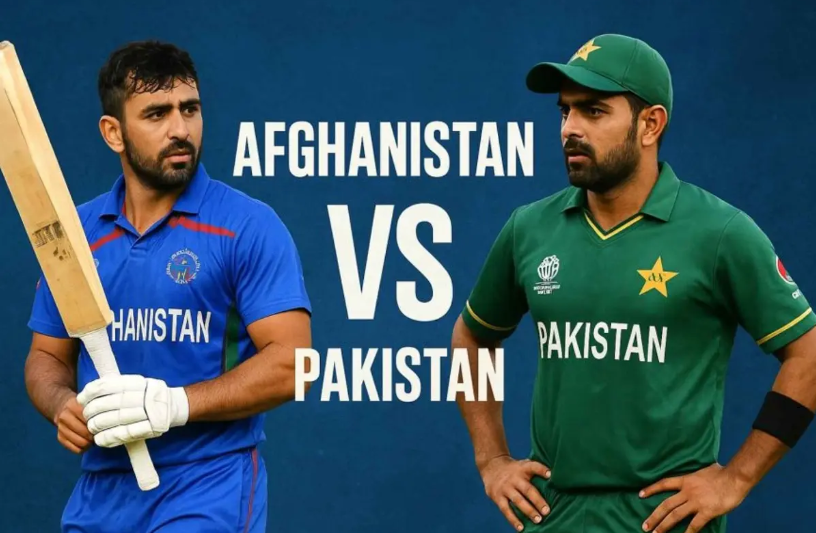
The rivalry between the two sides has grown into one of the most closely watched contests in modern cricket, shaped by contrasting styles, rising ambitions, and shifting standings in international tournaments. One team brings long-established experience, structured systems, and world-class fast bowling traditions, while the other represents rapid growth, fearless cricket, and a powerful spin attack that has challenged every major opponent. Over time, their encounters have moved beyond simple match results and become emotional battles influenced by pressure situations, tournament stakes, and regional pride. Each meeting adds new layers to the rivalry, especially when standings in ICC events or Asia Cup scenarios come into play, making every ball and every decision highly significant.
Latest Matches Table
| Match Date | Tournament Venue | Format Type | First Innings | Second Innings | Match Winner | Victory Margin |
|---|---|---|---|---|---|---|
| 07 Sep 2025 | Sharjah Stadium | T20I | Pakistan 141/8 | Afghan 66/10 | Pakistan | 75 runs |
| 02 Sep 2025 | Sharjah Stadium | T20I | Afghan 169/5 | Pakistan 151/9 | Afghanistan | 18 runs |
| 29 Aug 2025 | Sharjah Stadium | T20I | Pakistan 182/7 | Afghan 143/10 | Pakistan | 39 runs |
| 23 Oct 2023 | Chennai Ground | ODI | Pakistan 282/7 | Afghan 286/2 | Afghanistan | 8 wickets |
| 06 Oct 2023 | Hangzhou Field | T20I | Pakistan 115/10 | Afghan 116/6 | Afghanistan | 4 wickets |
| 26 Aug 2023 | Colombo Ground | ODI | Pakistan 268/8 | Afghan 209/10 | Pakistan | 59 runs |
Head-to-Head Summary Table
| Format Type | Total Played | Pakistan Wins | Afghan Wins | No Result | Pakistan Win Pct | Afghan Win Pct |
|---|---|---|---|---|---|---|
| One Day Match | 8 | 7 | 1 | 0 | 87.50 | 12.50 |
| Twenty20 Match | 9 | 5 | 4 | 0 | 55.55 | 44.44 |
| World Cup Games | 3 | 2 | 1 | 0 | 66.66 | 33.33 |
| Asian Games T20 | 1 | 0 | 1 | 0 | 0.00 | 100.00 |
| Bilateral T20I | 6 | 3 | 3 | 0 | 50.00 | 50.00 |
| Bilateral ODI | 4 | 4 | 0 | 0 | 100.00 | 0.00 |
Best Player Analysis Table
| Player Identity | Cricket Team | Format Focus | Match Count | Run Total | Wicket Total | Best Display |
|---|---|---|---|---|---|---|
| Rahmanullah Gurbaz | Afghanistan | Wicketkeeper | 10 | 395 | 0 | 151 runs |
| Ibrahim Zadran | Afghanistan | Opening Batter | 9 | 335 | 0 | 87 runs |
| Babar Azam | Pakistan | Middle Order | 8 | 238 | 0 | 100 runs |
| Shadab Khan | Pakistan | All Rounder | 11 | 238 | 9 | 3 wickets |
| Fazalhaq Farooqi | Afghanistan | Fast Bowler | 9 | 14 | 15 | 3 wickets |
| Rashid Khan | Afghanistan | Leg Spinner | 12 | 68 | 13 | 3 wickets |
Top Run Scorers All-Time Table
| Batter Name | Team Name | Total Innings | Runs Scored | Highest Score | Strike Rate | Average Value |
|---|---|---|---|---|---|---|
| Rahmanullah Gurbaz | Afghanistan | 10 | 395 | 151 | 112.50 | 39.50 |
| Ibrahim Zadran | Afghanistan | 9 | 335 | 87 | 92.40 | 41.87 |
| Imam ul Haq | Pakistan | 6 | 298 | 91 | 73.39 | 49.66 |
| Babar Azam | Pakistan | 8 | 238 | 100 | 82.10 | 34.00 |
| Shadab Khan | Pakistan | 9 | 238 | 48 | 118.20 | 26.44 |
| Hashmatullah Shahidi | Afghanistan | 6 | 173 | 97 | 82.77 | 57.66 |
Early Encounters and First Competitive Sparks
The opening phase of the rivalry between Pakistan and Afghanistan reflected a classic story of experience meeting ambition. Pakistan entered the contests as a seasoned international side with a deep cricketing structure, while Afghanistan arrived with fearless energy and a rapidly improving skill set. The early matches were not just about results but about proving identity on the big stage. Pakistan relied heavily on disciplined bowling units and calm middle-order batting, whereas Afghanistan showed raw passion, especially through their emerging spin attack. As these teams met in multi-nation tournaments, every contest started carrying extra weight, with fans on both sides expecting emotional intensity. The competitiveness slowly grew as Afghanistan reduced the gap in performance, making matches more unpredictable and closely fought. These early encounters laid the foundation for a rivalry that would soon become one of the most talked-about battles in modern cricket, especially in Asian conditions where spin and pressure played key roles.
| Year | Format | Winner | Margin | Venue |
| 2013 | ODI | Pakistan | 7 wickets | Sharjah |
| 2014 | ODI | Pakistan | 36 runs | Dhaka |
| 2018 | T20I | Pakistan | 3 wickets | Dubai |
| 2019 | ODI | Pakistan | 5 wickets | Abu Dhabi |
| 2022 | T20I | Pakistan | 1 wicket | Sharjah |
Rise of Afghanistan as a Modern Cricket Force
Afghanistan’s rise in international cricket changed the entire balance of regional competition. Their journey from associate cricket to full-member status brought new confidence and structure to the team. The development of world-class spinners and aggressive young batters gave them a unique identity. Pakistan, known for its fast bowling tradition, initially underestimated the consistency of Afghanistan’s spin-heavy strategy. However, as performances improved in ICC events, respect grew quickly. Afghanistan’s ability to compete against top teams showed their mental strength and technical growth. This rise also influenced standings in global tournaments, where net run rate and consistency started becoming crucial factors. The rivalry became more intense as Afghanistan stopped being an underdog and started challenging Pakistan in key moments. Each encounter now carried pressure, expectation, and national pride. The transformation marked a turning point where matches were no longer predictable, and every game had the potential to shift momentum in rankings and confidence.
| Factor | Afghanistan Strength | Impact Level | Pakistan Response | Outcome Influence |
| Spin attack | High | Very High | Cautious batting | Mixed results |
| Batting depth | Improving | Medium | Pace pressure | Balanced |
| Fielding | Aggressive | High | Tactical adjustment | Competitive |
| Experience | Low early, rising now | High | Leadership edge | Crucial |
| ICC performance | Rising steadily | High | Strategic planning | Close contests |
Pakistan’s Tactical Evolution Against Spin Heavy Attack
Facing Afghanistan’s spin attack forced Pakistan to rethink its batting structure and middle-over strategy. Traditionally strong against pace, Pakistan initially struggled to rotate strike against high-quality spin bowling. This led to collapses in pressure situations where run rate control became difficult. Over time, coaching staff introduced new approaches, including right-left batting combinations and increased intent during middle overs. The focus shifted toward breaking spin rhythm rather than defensive survival. Bowlers also adapted by targeting Afghan top-order batters with short-pitched deliveries and variation in pace. Pakistan’s wicketkeeper-batsmen played a crucial role in stabilizing innings under pressure. Tactical improvements became visible in ICC tournaments where Pakistan showed better control in chase situations. However, Afghanistan’s spin unit continued to challenge these adjustments, making every encounter a tactical battle. This evolution highlighted how rivalry forces teams to innovate constantly in order to stay competitive at the highest level.
| Tactical Area | Initial Approach | Updated Strategy | Effectiveness | Key Outcome |
| Spin batting | Defensive | Aggressive rotation | Improved | Better control |
| Middle overs | Slow scoring | Strike rotation focus | High impact | Stable innings |
| Powerplay use | Conservative | Early aggression | Medium | Fast starts |
| Bowling plan | Standard pace | Variation + short ball | High | Wickets early |
| Chase strategy | Risk-averse | Structured chase plan | Strong | Close wins |
Asia Cup Clashes That Changed the Narrative
The Asia Cup meetings between these two sides added a new layer of intensity to the rivalry. These matches often carried qualification pressure, where one result could decide tournament progression. Pakistan’s experience in handling high-pressure Asia matches was frequently tested by Afghanistan’s fearless approach. Several games went down to the final overs, with momentum shifting multiple times. Emotional celebrations, heated exchanges, and dramatic swings became common themes. Afghanistan’s improved death bowling created unexpected challenges, while Pakistan’s finishing ability often determined outcomes. Fans from both nations turned these matches into high-energy events, especially in neutral venues like the UAE. Standings implications made every run and wicket critical. These encounters became defining moments in the rivalry narrative, showing that Afghanistan was no longer an easy opponent. Instead, they were now capable of influencing tournament outcomes and reshaping group dynamics with each performance.
| Edition | Result | Margin | Key Performer | Standings Impact |
| 2018 | Pakistan win | 3 wickets | Babar Azam | Qualified safely |
| 2022 | Pakistan win | 1 wicket | Rizwan | Net run rate boost |
| 2023 | Afghanistan win | 7 runs | Rashid Khan | Major upset |
| 2023 | Pakistan win | 5 wickets | Shaheen Afridi | Recovery in standings |
| 2025 | Close contest | Tie/DLS | Mixed | Group tension high |
ICC Tournament Encounters and Global Stage Pressure
When both teams met in ICC tournaments, the pressure level increased significantly. Unlike bilateral series, these matches had direct impact on global standings and qualification scenarios. Pakistan entered with expectations of consistency, while Afghanistan played with freedom and unpredictability. The crowd dynamics in neutral venues often created a balanced atmosphere, making execution more important than reputation. Key innings from experienced players often decided outcomes, especially in tight run chases. Afghanistan’s spin attack continued to trouble Pakistan’s middle order, while Pakistan’s pace attack aimed to dominate early overs. Net run rate scenarios added another layer of complexity, forcing teams to not only win but win convincingly. These matches became critical in shaping tournament trajectories, often influencing semi-final qualifications and group rankings. The global stage pressure highlighted both teams’ strengths and weaknesses, making every encounter a high-stakes battle rather than a routine fixture.
| Tournament | Winner | Margin | Top Batter | Top Bowler |
| World Cup 2019 | Pakistan | 3 wickets | Babar Azam | Shaheen Afridi |
| T20 World Cup 2021 | Pakistan | 5 wickets | Rizwan | Haris Rauf |
| Asia Cup 2023 | Afghanistan | 7 runs | Ibrahim Zadran | Rashid Khan |
| World Cup 2023 | Pakistan | 6 wickets | Abdullah Shafique | Shaheen Afridi |
| T20 Series 2025 | Pakistan | 2 wickets | Fakhar Zaman | Naseem Shah |
Conclusion
The journey between these two teams reflects how modern cricket rivalries evolve through competition, respect, and constant tactical adaptation. What started as one-sided encounters gradually transformed into closely fought contests where momentum can shift within a few overs. Standings in global tournaments now often depend on these clashes, highlighting their importance beyond just rivalry pride. Both teams continue to develop stronger squads, smarter strategies, and deeper bench strength. As a result, future meetings are expected to be even more competitive, with every match carrying the potential to redefine rankings, confidence, and cricketing narratives on the international stage.
FAQ
What makes this rivalry important in modern cricket
The rivalry is important because it combines experience versus rising talent, making matches unpredictable and highly competitive in ICC and Asia Cup events.
Which team has historically performed better in standings
Historically, the more experienced side has maintained better standings, but the gap has reduced significantly in recent years due to improved performances.
Why are spin bowling battles so crucial in these matches
Spin bowling plays a key role because conditions in Asia often favor turn, and one side has developed a strong spin attack that challenges batting depth.
Do these matches usually affect tournament qualification
Yes, many encounters directly impact group standings, net run rate, and qualification scenarios in major ICC and regional tournaments.
Is this rivalry expected to grow in the future
Yes, with both teams improving rapidly, future matches are expected to become even more competitive and influential in global cricket rankings.