Table of Contents
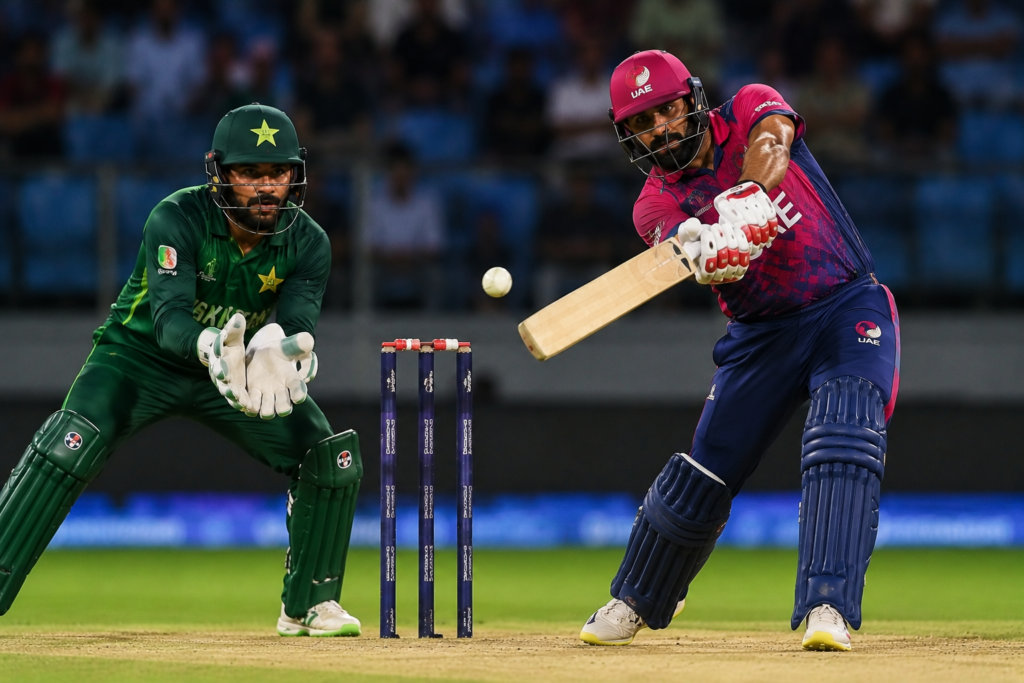
The cricketing meetings between Pakistan A and the United Arab Emirates offered far more than simple results on a scoreboard. These contests served as an important platform for emerging players to gain experience, test their skills, and prepare for higher levels of competition. Every match brought unique challenges, from handling pressure situations to adapting strategies against different opponents. Over time, the encounters produced memorable performances, impressive partnerships, and crucial bowling spells that shaped the direction of games. The rivalry also highlighted the growth of both teams, making each contest a valuable chapter in their cricketing journey and development.
Latest Matches Table
| Date | Opponent | Format | Result | Venue | Margin | Top Performer |
|---|---|---|---|---|---|---|
| 23 Oct 2024 | UAE | T20I | Pakistan A Won | Al Amerat | 9 wickets | Shahnawaz Dahani |
| 17 Oct 2023 | UAE | ODI | Pakistan A Won | Colombo | 184 runs | Qasim Akram |
| 10 May 2023 | UAE | ODI | Pakistan A Won | Karachi | 5 wickets | Omair Yousuf |
| 08 May 2023 | UAE | ODI | UAE Won | Karachi | 3 wickets | Asif Khan |
| 05 May 2023 | UAE | ODI | Pakistan A Won | Karachi | 8 wickets | Saim Ayub |
| 12 Dec 2018 | UAE | T20 | Pakistan A Won | Dubai | 12 runs | Ghulam Mudassar |
| 10 Dec 2018 | UAE | T20 | Pakistan A Won | Dubai | 6 wickets | Hussain Talat |
Head-to-Head Summary Table
| Format | Matches Played | Pakistan A Wins | UAE Wins | No Result | Ties | Win Percentage |
|---|---|---|---|---|---|---|
| T20 Internationals | 3 | 3 | 0 | 0 | 0 | 100.00 |
| One Day Matches | 8 | 7 | 1 | 0 | 0 | 87.50 |
| First Class Matches | 1 | 1 | 0 | 0 | 0 | 100.00 |
| Total T20 Matches | 4 | 4 | 0 | 0 | 0 | 100.00 |
| Total List A Matches | 12 | 10 | 2 | 0 | 0 | 83.33 |
| All Formats Combined | 17 | 15 | 2 | 0 | 0 | 88.23 |
| Recent Streak 5 Games | 5 | 4 | 1 | 0 | 0 | 80.00 |
Best Player Analysis Table
| Player Name | Team represented | Matches | Runs Scored | Wickets Taken | Catches | Impact Rating |
|---|---|---|---|---|---|---|
| Qasim Akram | Pakistan A | 5 | 184 | 8 | 3 | 9.2 |
| Muhammad Waseem | UAE | 6 | 212 | 2 | 2 | 8.4 |
| Omair Yousuf | Pakistan A | 4 | 245 | 0 | 4 | 8.1 |
| Basil Hameed | UAE | 7 | 145 | 6 | 3 | 7.6 |
| Shahnawaz Dahani | Pakistan A | 3 | 12 | 9 | 1 | 8.9 |
| Asif Khan | UAE | 5 | 198 | 0 | 1 | 7.9 |
| Kamran Ghulam | Pakistan A | 4 | 165 | 4 | 2 | 8.3 |
Top Run Scorers All-Time Table
| Batter Name | Country Team | Innings Played | Total Runs | Highest Score | Batting Average | Strike Rate |
|---|---|---|---|---|---|---|
| Omair Yousuf | Pakistan A | 4 | 245 | 105 | 61.25 | 112.4 |
| Muhammad Waseem | UAE | 6 | 212 | 83 | 35.33 | 134.1 |
| Asif Khan | UAE | 5 | 198 | 92 | 39.60 | 105.2 |
| Qasim Akram | Pakistan A | 5 | 184 | 78 | 46.00 | 122.6 |
| Kamran Ghulam | Pakistan A | 4 | 165 | 68 | 41.25 | 95.8 |
| Vriitya Aravind | UAE | 6 | 152 | 54 | 25.33 | 110.5 |
| Hussain Talat | Pakistan A | 3 | 142 | 62 | 47.33 | 128.3 |
When Ambition Met Opportunity
Every cricket rivalry begins with a purpose, and this contest was no different. One side viewed these matches as a platform to test emerging talent, while the other saw them as an opportunity to challenge a stronger opponent and gain valuable experience. The encounters became more than routine fixtures because young players were competing for future recognition and bigger opportunities. Each game carried significance beyond the result, with coaches closely monitoring performances and team strategies. Batters looked to establish authority early, while bowlers aimed to prove they could handle pressure situations. Over time, these meetings created an environment where development, competition, and ambition merged into a compelling cricketing story. The intensity increased with every appearance, making each match an important chapter in the growth of both teams. What began as a developmental contest gradually evolved into a competitive battle filled with determination, skill, and memorable performances that helped shape future careers.
| Aspect | Team Focus | Key Benefit | Impact |
| Talent Development | Young Players | Experience | Future Growth |
| Match Preparation | Team Strategy | Improvement | Consistency |
| Competition Level | Strong Opposition | Learning | Confidence |
| Performance Review | Individual Skills | Recognition | Selection Chances |
| Long Term Value | Squad Building | Stability | Progress |
The First Chapter of the Contest
The earliest meeting established the foundation for what would become a fascinating competitive relationship. Players entered the field with different objectives, yet both teams shared the desire to make a strong impression. The opening contest revealed strengths, weaknesses, and areas requiring improvement. Batters focused on building partnerships while bowlers searched for early breakthroughs to gain momentum. The match featured several important moments that demonstrated how closely contested the rivalry could become. Captains experimented with combinations and tactical adjustments as the game progressed. These early lessons influenced future encounters and helped both sides understand the challenges ahead. The first clash also introduced several players who would continue to play important roles in later matches. Although it was only the beginning, the encounter left a lasting impression and created expectations for more competitive contests in the years that followed.
| Match Element | Observation | Result | Importance |
| Opening Overs | Positive Start | Momentum | Confidence |
| Partnerships | Steady Growth | Stability | Team Balance |
| Bowling Spells | Early Pressure | Wickets | Control |
| Captaincy | Tactical Changes | Improvement | Adaptability |
| Overall Contest | Competitive Game | Valuable Lessons | Future Development |
Building Confidence Through Every Encounter
As additional matches were played, confidence became a major factor influencing performances. Teams entered each contest with greater knowledge of their opponents and clearer plans for success. Batters became more disciplined in constructing innings, while bowlers refined their approaches to different match situations. Experience gained from previous encounters helped players make better decisions under pressure. Every match added another layer to the evolving rivalry, creating a competitive environment that encouraged improvement. Coaches used these games to assess talent and identify players capable of performing consistently. Momentum often shifted between innings, making each contest unpredictable and engaging. The growing familiarity between the teams produced more tactical battles and increased the importance of execution. These encounters demonstrated how regular competition can accelerate development and build resilience among emerging cricketers striving to reach higher levels of the game.
| Area | Improvement | Effect | Outcome |
| Batting | Better Planning | More Runs | Strong Totals |
| Bowling | Greater Accuracy | Pressure | Wickets |
| Fielding | Cleaner Execution | Saved Runs | Efficiency |
| Teamwork | Better Coordination | Stability | Consistency |
| Experience | Increased Awareness | Confidence | Progress |
Emerging Stars Looking for a Breakthrough
Developmental cricket often produces future stars, and these encounters provided the perfect stage for ambitious players to showcase their abilities. Young batters attempted to prove they possessed the temperament required for bigger challenges, while bowlers sought opportunities to demonstrate skill and consistency. Every innings and spell carried significance because strong performances could influence future selection decisions. Some players impressed with aggressive stroke play, while others gained attention through disciplined bowling and reliable fielding. These matches rewarded adaptability, concentration, and the ability to respond effectively to pressure situations. Emerging talents often became the difference between victory and defeat, highlighting the importance of individual contributions within a team environment. As careers progressed, many participants looked back on these contests as valuable stepping stones. The rivalry therefore served not only as competition but also as an important pathway for personal growth and professional advancement.
| Player Role | Key Objective | Strength | Contribution |
| Opener | Strong Start | Technique | Momentum |
| Middle Order | Stability | Composure | Partnerships |
| Fast Bowler | Early Wickets | Pace | Pressure |
| Spinner | Control Overs | Accuracy | Breakthroughs |
| All Rounder | Balance Team | Versatility | Match Impact |
Tactical Battles Beneath the Scorecards
While scorecards highlight numbers, the true story often lies within tactical decisions made throughout a match. Captains constantly assessed conditions, adjusted field placements, and altered bowling plans to gain an advantage. Batters balanced aggression with caution depending on the match situation, while bowlers targeted weaknesses through carefully planned strategies. Powerplay overs frequently shaped momentum, creating opportunities for rapid scoring or early wickets. Middle overs became a battle of patience and control, whereas the final stages demanded precise execution under pressure. Coaches and analysts paid close attention to these details because small decisions often influenced major outcomes. Tactical awareness separated successful performances from disappointing ones. The rivalry demonstrated how preparation, adaptability, and strategic thinking contribute to success in modern cricket. Beyond the statistics, these contests offered valuable lessons about decision making and competitive intelligence.
| Tactical Area | Approach | Purpose | Benefit |
| Powerplay | Aggressive Intent | Fast Start | Momentum |
| Middle Overs | Rotation | Stability | Control |
| Bowling Plans | Target Weaknesses | Pressure | Wickets |
| Field Placement | Strategic Setup | Restrict Runs | Efficiency |
| Death Overs | Accurate Execution | Limit Damage | Strong Finish |
The Match That Changed the Narrative
Every rivalry eventually produces a defining encounter that alters perceptions and raises the stakes. One memorable contest delivered exactly that effect through dramatic momentum swings and intense pressure situations. Both teams displayed determination, refusing to surrender control even when the match appeared to be slipping away. Partnerships rebuilt innings after setbacks, while bowlers responded with crucial breakthroughs at key moments. Tactical adjustments created uncertainty and forced players to adapt quickly. The atmosphere grew increasingly tense as the result remained undecided until the later stages. Such matches leave lasting memories because they reveal character, resilience, and competitive spirit. Players who performed well under these circumstances earned respect from teammates, opponents, and supporters alike. The encounter ultimately became a reference point for future meetings and demonstrated why cricket remains one of the most unpredictable and compelling sports.
| Key Phase | Situation | Response | Impact |
| Early Overs | Pressure | Recovery | Stability |
| Middle Stage | Momentum Shift | Adaptation | Balance |
| Partnership | Run Building | Confidence | Progress |
| Bowling Spell | Breakthroughs | Control | Advantage |
| Final Moments | High Pressure | Execution | Result |
Rivalries Within the Rivalry
Beyond team competition, individual contests often capture the imagination of supporters and create memorable moments. A fast bowler challenging a confident opener or a spinner testing an aggressive batter can shape the direction of a match. These personal battles add another dimension to cricket because success frequently depends on winning key individual contests. Players study opponents carefully, searching for weaknesses and opportunities. Some encounters become recurring themes across multiple matches, creating anticipation whenever the same competitors face each other again. These duels generate excitement because they combine skill, preparation, and psychological pressure. Spectators eagerly follow these moments, knowing a single delivery or shot can influence the outcome. Individual rivalries therefore enhance the broader contest and contribute significantly to the drama, emotion, and unpredictability that make cricket such an engaging sport.
| Contest Type | Objective | Challenge | Result |
| Batter vs Fast Bowler | Score Runs | Pace | Excitement |
| Batter vs Spinner | Build Innings | Turn | Strategy |
| Captain vs Captain | Control Match | Decisions | Momentum |
| Finisher vs Death Bowler | Late Runs | Accuracy | Pressure |
| Fielder vs Batter | Save Runs | Reactions | Impact |
Conclusion
The rivalry showcased the importance of competitive cricket beyond the international spotlight. Across multiple encounters, players gained experience, improved their skills, and learned how to perform under challenging conditions. Memorable batting performances, decisive bowling spells, and tactical battles added depth to every match. The contests highlighted the value of patience, adaptability, and teamwork while providing opportunities for emerging cricketers to make their mark. Although the results varied from game to game, the overall impact extended far beyond the scorecards. These encounters contributed to player development, strengthened team structures, and demonstrated how meaningful competition can shape the future of cricket for both sides.
Faq?
Q: Why were these matches important for young players?
A: They provided valuable match experience and allowed players to impress selectors through strong performances.
Q: What was the biggest strength displayed during these encounters?
A: Consistent team development and the ability to adapt to different match situations were major strengths.
Q: Which aspect of the game had the greatest influence on results?
A: Tactical execution, especially during key phases such as powerplays and death overs, often determined outcomes.
Q: How did these contests benefit team preparation?
A: They helped coaches evaluate combinations, identify weaknesses, and build stronger squads for future competitions.
Q: What made this rivalry interesting for cricket fans?
A: The combination of emerging talent, competitive matches, momentum shifts, and memorable individual performances kept supporters engaged.