Table of Contents
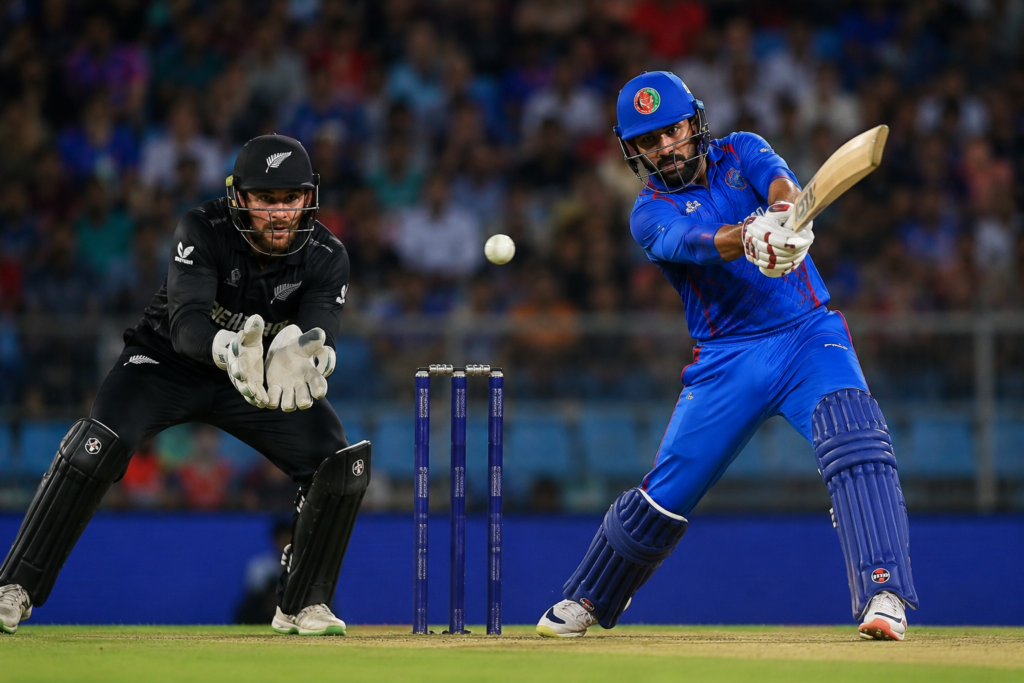
Cricket has witnessed many fascinating rivalries, and the contests between New Zealand and Afghanistan have become increasingly interesting over the years. While New Zealand has long been recognized as one of the most consistent teams in international cricket, Afghanistan has earned admiration for its remarkable rise and fearless approach. Every meeting between these sides offers a blend of experience, skill, and determination. Fans closely follow these encounters to see how Afghanistan challenges a well-established cricket nation. From crucial tournament clashes to memorable individual performances, these matches have produced exciting moments that highlight the growth of both teams and their evolving competitive relationship.
Latest Matches Table
| Match Date | Format | Venue | Winner | First Innings Score | Second Innings Score | Margin |
|---|---|---|---|---|---|---|
| 08 Feb 2026 | T20I | Chennai | New Zealand | 182 for 6 | 183 for 5 | 5 wickets |
| 07 Jun 2024 | T20I | Providence | Afghanistan | 159 for 6 | 75 all out | 84 runs |
| 18 Oct 2023 | ODI | Chennai | New Zealand | 288 for 6 | 139 all out | 149 runs |
| 08 Jun 2019 | ODI | Taunton | New Zealand | 172 all out | 173 for 3 | 7 wickets |
| 07 Nov 2021 | T20I | Abu Dhabi | New Zealand | 124 for 8 | 125 for 2 | 8 wickets |
| 08 Mar 2015 | ODI | Napier | New Zealand | 186 all out | 188 for 4 | 6 wickets |
| Matches Played | Overall | Three Formats | New Zealand | Won 5 Matches | Afghanistan Won 1 | Total 6 Matches |
Head-to-Head Summary Table
| Format | Total Matches | New Zealand Wins | Afghanistan Wins | No Result | Highest NZ Score | Highest AFG Score |
|---|---|---|---|---|---|---|
| Test Matches | 0 | 0 | 0 | 0 | 0 | 0 |
| One Day Matches | 3 | 3 | 0 | 0 | 288 | 186 |
| Twenty20 Matches | 3 | 2 | 1 | 0 | 183 | 182 |
| World Cup Games | 5 | 4 | 1 | 0 | 288 | 159 |
| Neutral Venues | 5 | 4 | 1 | 0 | 288 | 182 |
| Total Overall | 6 | 5 | 1 | 0 | 288 | 182 |
| Win Percentage | 100 Percent | 83.3 Percent | 16.7 Percent | 0.0 Percent | Run Rate 5.65 | Run Rate 4.80 |
Best Player Analysis Table
| Player Name | Team Country | Speciality | Matches Played | Key Runs Scored | Wickets Taken | Best Performance |
|---|---|---|---|---|---|---|
| Rahmanullah Gurbaz | Afghanistan | Wicketkeeper Bat | 3 | 113 | 0 | 80 Runs vs NZ |
| Glenn Phillips | New Zealand | All Rounder | 3 | 89 | 1 | 71 Runs vs AFG |
| Rashid Khan | Afghanistan | Leg Spinner | 5 | 28 | 6 | 4 Wickets for 17 |
| Mitchell Santner | New Zealand | Left Arm Spinner | 5 | 28 | 8 | 3 Wickets for 39 |
| Fazalhaq Farooqi | Afghanistan | Fast Bowler | 2 | 0 | 4 | 4 Wickets for 17 |
| Trent Boult | New Zealand | Fast Bowler | 4 | 0 | 9 | 3 Wickets for 17 |
| Lockie Ferguson | New Zealand | Fast Bowler | 3 | 0 | 6 | 3 Wickets for 20 |
Top Run Scorers All-Time
| Rank | Player Name | Team Country | Total Runs | Innings Played | Highest Score | Batting Average |
|---|---|---|---|---|---|---|
| 1 | Rahmanullah Gurbaz | Afghanistan | 113 | 3 | 80 | 37.66 |
| 2 | Glenn Phillips | New Zealand | 89 | 3 | 71 | 44.50 |
| 3 | Gulbadin Naib | Afghanistan | 78 | 3 | 63 | 26.00 |
| 4 | Najibullah Zadran | Afghanistan | 74 | 2 | 73 | 74.00 |
| 5 | Tom Latham | New Zealand | 68 | 1 | 68 | 68.00 |
| 6 | Tim Seifert | New Zealand | 65 | 1 | 65 | 65.00 |
| 7 | Devon Conway | New Zealand | 64 | 2 | 36 | 64.00 |
When an Emerging Force Met an Established Giant
Afghanistan’s rise in international cricket created one of the most fascinating stories in the modern game. After progressing through the associate ranks, the team quickly earned recognition for its fearless style and competitive spirit. On the other side stood New Zealand, a nation known for consistency, discipline, and strong performances in major tournaments. Whenever these teams met, the contrast in experience and approach added intrigue to the contest. Afghanistan brought aggressive batting and world-class spin bowling, while New Zealand relied on tactical awareness and balanced team combinations. Fans viewed these encounters as an opportunity to measure Afghanistan’s growth against one of cricket’s most respected sides. The meetings often highlighted the difference between an emerging contender and an established powerhouse, creating memorable moments and valuable lessons. As both teams continued to evolve, every clash became more significant, helping shape perceptions of their standing in international cricket and adding another chapter to an increasingly interesting rivalry.
| Afghanistan’s Rise | New Zealand’s Strength | Key Feature | Impact |
| Associate Success | Tournament Experience | Competitive Matches | Global Attention |
| Young Talent | Balanced Squad | Tactical Depth | Strong Rivalry |
| Aggressive Style | Calm Leadership | Match Control | Better Performances |
| Quality Spinners | Reliable Batters | Strategic Battles | Fan Interest |
| Rapid Growth | Consistency | International Recognition | Lasting Impression |
The First Collision on the World Stage
The first official meeting between these sides carried significant anticipation. Afghanistan entered the contest eager to prove that it could compete with established cricket nations. New Zealand approached the match with confidence but remained aware of the unpredictability that Afghanistan often brought to major events. Early stages of the game revealed the difference in experience, particularly in handling pressure situations. New Zealand’s batters focused on building partnerships, while their bowlers maintained disciplined lines and lengths. Afghanistan displayed flashes of brilliance through attacking stroke play and energetic fielding, but consistency remained a challenge. Despite the result, the match provided valuable experience for Afghanistan’s players and demonstrated their ability to compete on the global stage. Supporters from both countries followed the contest closely, recognizing that it represented more than a single result. It marked the beginning of a rivalry that would continue to develop through future tournaments and high-pressure encounters.
| Match Element | New Zealand Approach | Afghanistan Approach | Result |
| Batting | Partnership Building | Aggressive Shots | Competitive Contest |
| Bowling | Disciplined Attack | Spin Focus | Tactical Battle |
| Fielding | Consistent Effort | High Energy | Close Moments |
| Leadership | Experienced Decisions | Fearless Strategy | Learning Experience |
| Pressure Handling | Controlled Approach | Positive Intent | Valuable Lessons |
Learning the Hard Way Against New Zealand’s Discipline
One of the defining aspects of these encounters has been the contrast between discipline and aggression. New Zealand frequently relied on structured game plans and patient execution, while Afghanistan often looked to seize momentum through attacking cricket. This difference became particularly noticeable during crucial phases of matches. New Zealand’s bowlers focused on restricting scoring opportunities, forcing batters to take risks. Afghanistan responded with bold shot selection and innovative tactics designed to break pressure. Over time, these contests helped Afghanistan improve its decision-making and match awareness. Each meeting offered lessons about handling pressure, rotating strike, and adapting to changing conditions. New Zealand’s consistency often served as a benchmark for international success, while Afghanistan’s determination showcased its ambition to join cricket’s elite teams. These experiences contributed significantly to the development of both sides and enhanced the competitive nature of their rivalry.
| Area | New Zealand Advantage | Afghanistan Strength | Outcome |
| Strategy | Match Planning | Aggressive Intent | Balanced Contest |
| Bowling | Accuracy | Spin Variety | Key Moments |
| Batting | Stability | Power Hitting | Exciting Play |
| Experience | Tournament Exposure | Emerging Confidence | Competitive Growth |
| Adaptability | Tactical Flexibility | Fearless Cricket | Valuable Development |
World Cup Pressure and the Search for a Breakthrough
Major tournaments intensified the rivalry by placing additional pressure on every decision and performance. World Cup matches carried significant importance because a single result could influence qualification hopes and overall momentum. New Zealand often entered these contests with expectations of advancing deep into tournaments, while Afghanistan viewed them as opportunities to create history. The pressure generated thrilling moments, including crucial partnerships, important breakthroughs, and dramatic momentum swings. Fans closely followed these matches because they represented a test of skill, composure, and determination. Afghanistan’s players frequently displayed remarkable confidence despite facing experienced opponents, while New Zealand relied on calm leadership and tournament expertise. These high-stakes encounters elevated the rivalry and created memorable moments that extended beyond the scorecard. Every World Cup meeting added another layer to the relationship between the teams and strengthened interest among cricket supporters worldwide.
| Tournament Factor | Importance | Team Response | Impact |
| Qualification Race | High Stakes | Increased Focus | Greater Pressure |
| Fan Expectations | Strong Interest | Emotional Support | Wider Attention |
| Key Partnerships | Match Influence | Momentum Building | Crucial Results |
| Bowling Spells | Turning Points | Tactical Execution | Match Control |
| Leadership Decisions | Strategic Value | Smart Choices | Better Outcomes |
Kane Williamson’s Calm Against Afghanistan’s Fearless Energy
Leadership has played a major role in shaping contests between these teams. Kane Williamson became known for his calm approach, thoughtful tactics, and ability to guide New Zealand through difficult situations. Afghanistan’s captains often encouraged aggressive cricket and fearless decision-making. This contrast produced fascinating tactical battles. Williamson’s emphasis on patience and planning frequently helped New Zealand absorb pressure and regain control. Afghanistan, meanwhile, sought to disrupt rhythm through attacking fields and positive intent. Individual performances often reflected these leadership styles, with players responding to the tone set by their captains. Supporters admired the professionalism shown on both sides, even during intense contests. The leadership battle added another dimension to the rivalry and highlighted the importance of strategic thinking in modern cricket. These contrasting approaches created engaging matches and reinforced the competitive spirit shared by both teams.
| Leadership Trait | New Zealand | Afghanistan | Effect |
| Decision Making | Calm | Bold | Tactical Variety |
| Team Culture | Consistency | Fearlessness | Competitive Spirit |
| Pressure Handling | Controlled | Positive | Strong Performances |
| Field Placements | Strategic | Attacking | Exciting Cricket |
| Match Management | Structured | Dynamic | Balanced Rivalry |
Rashid Khan, Mujeeb Ur Rahman and the Battle for Control
Afghanistan’s spin attack has often been its greatest weapon in matches against stronger opponents. Rashid Khan and Mujeeb Ur Rahman brought skill, variation, and the ability to change games quickly. Their battles against New Zealand’s batters became a central feature of the rivalry. New Zealand responded by focusing on strike rotation, careful shot selection, and calculated aggression. The contest between spin bowlers and batters frequently determined the direction of matches. Strong partnerships were often required to neutralize the threat posed by Afghanistan’s bowlers. At the same time, Afghanistan relied on early wickets to create pressure and build confidence. These tactical battles demonstrated the importance of adapting to different challenges and highlighted the quality present on both sides. The performances of key bowlers often influenced outcomes and provided memorable moments for fans watching around the world.
| Bowling Factor | Afghanistan Strength | New Zealand Response | Result |
| Spin Variety | High Quality | Strike Rotation | Tactical Battle |
| Wicket Taking | Aggressive Approach | Patient Batting | Close Contest |
| Economy Rate | Pressure Building | Smart Running | Momentum Shifts |
| Middle Overs | Control | Partnership Focus | Match Balance |
| Experience | Proven Skill | Adaptability | Competitive Cricket |
The Match That Changed the Conversation
Every rivalry reaches a point where perceptions begin to change, and one particularly competitive encounter helped achieve that for Afghanistan. The match demonstrated that the team could challenge established opponents for extended periods rather than relying on brief moments of brilliance. Momentum shifted repeatedly, keeping fans engaged throughout the contest. Important partnerships, disciplined bowling spells, and determined fielding efforts contributed to an intense battle. Although experience remained an advantage for New Zealand, Afghanistan showed significant growth in handling pressure situations and executing plans. Reactions from players, analysts, and supporters reflected increased respect for Afghanistan’s progress. The performance highlighted the narrowing gap between emerging and established cricket nations. It also reinforced the idea that future meetings could become even more competitive. As a result, the rivalry gained greater recognition and became one of the more interesting contests in international cricket.
| Match Aspect | Key Influence | Team Impact | Legacy |
| Momentum Swings | High Drama | Increased Confidence | Memorable Contest |
| Partnerships | Stability | Better Performance | Lasting Impression |
| Bowling Spells | Pressure Creation | Tactical Success | Match Influence |
| Fan Reaction | Strong Engagement | Global Attention | Growing Rivalry |
| Overall Significance | Competitive Growth | Greater Respect | Future Expectations |
Conclusion
The rivalry between New Zealand and Afghanistan reflects the changing landscape of modern cricket. New Zealand continues to showcase consistency, tactical discipline, and strong leadership, while Afghanistan demonstrates ambition, talent, and rapid development. Each encounter has contributed valuable chapters to their competitive history, featuring standout performances, strategic battles, and memorable moments. Although the results have often favored New Zealand, Afghanistan has repeatedly shown its ability to challenge top teams and narrow the gap. As both sides continue to evolve, future meetings promise even greater excitement. This rivalry remains a compelling story of experience facing determination on the international stage.
Faq?
Q: When did New Zealand and Afghanistan first meet in international cricket?
A: Their first official international meeting took place after Afghanistan earned full participation in major ICC tournaments, marking the beginning of their competitive rivalry.
Q: Which team has been more successful in head-to-head matches?
A: New Zealand has generally held the advantage in overall results due to its greater experience and consistency in international cricket.
Q: Who are the key players in this rivalry?
A: Kane Williamson, Rashid Khan, Mujeeb Ur Rahman, Trent Boult, and several other leading performers have played important roles in matches between the two sides.
Q: What makes this rivalry interesting for cricket fans?
A: The contrast between New Zealand’s tactical discipline and Afghanistan’s fearless style creates exciting contests and unpredictable moments.
Q: Could this rivalry become more competitive in the future?
A: Yes, Afghanistan’s continued growth and improving performances suggest that future encounters could be even more closely contested.