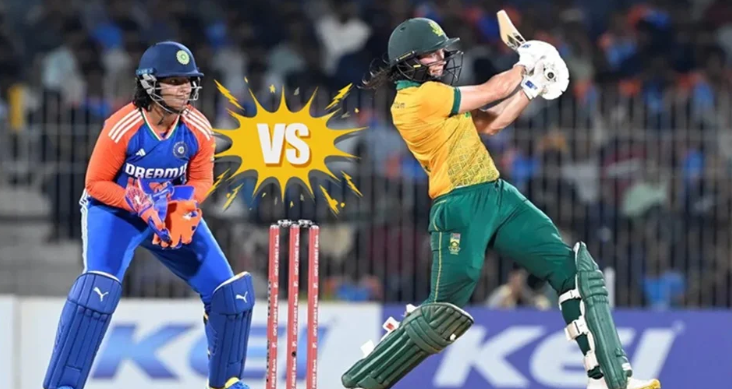
The India Women’s National Cricket Team Vs South Africa Women’s National Cricket Team Standings reflect the growth of one of the most competitive rivalries in modern women’s cricket. Over the years, both teams have produced memorable performances across ODI, T20I, and international tournament matches. Their encounters have featured outstanding batting displays, disciplined bowling spells, and thrilling finishes that kept fans engaged until the final ball. As women’s cricket continues to expand globally, matches between these two sides have gained greater significance. The rivalry showcases talent, determination, and consistent improvement, making every contest important for rankings, records, and the future development of international women’s cricket.
Latest Matches Table
Match Date
Venue
Format
Winner
Margin
Top Scorer
Best Bowler
14 January 2026
Benoni
T20I
South Africa
23 runs
Laura Wolvaardt
Nonkululeko Mlaba
11 January 2026
Johannesburg
T20I
India
14 runs
Smriti Mandhana
Deepti Sharma
09 January 2026
Johannesburg
T20I
South Africa
9 wickets
Tazmin Brits
Ayabonga Khaka
07 January 2026
Durban
T20I
South Africa
8 wickets
Anneke Bosch
Chloe Tryon
05 January 2026
Durban
T20I
South Africa
6 wickets
Marizanne Kapp
Shabnim Ismail
23 November 2025
Mumbai
ODI
India
52 runs
Harmanpreet Kaur
Radha Yadav
20 November 2025
Mumbai
ODI
India
6 wickets
Jemimah Rodrigues
Pooja Vastrakar
Head-to-Head Summary Table
Cricket Format
Total Played
India Won
South Africa Won
No Result
Tied
Win Ratio India
Test Matches
3
3
0
0
0
100.0 percent
One Day Internationals
31
17
12
1
1
54.8 percent
Twenty20 Internationals
21
10
9
2
0
47.6 percent
ICC World Cup Matches
6
4
2
0
0
66.6 percent
Bilateral ODI Series
8
5
3
0
0
62.5 percent
Bilateral T20I Series
7
3
3
1
0
42.8 percent
Total Combined Formats
55
30
21
3
1
54.5 percent
Best Player Analysis Table
Player Name
Country
Primary Skill
Batting Average
Bowling Economy
Strike Rate
Match Impact Score
Smriti Mandhana
India
Opening Batter
48.50
0.00
132.4
88.5
Marizanne Kapp
South Africa
All Rounder
39.25
4.25
118.2
92.0
Harmanpreet Kaur
India
All Rounder
36.80
5.10
122.6
85.0
Laura Wolvaardt
South Africa
Opening Batter
44.15
0.00
125.8
89.0
Deepti Sharma
India
All Rounder
28.90
3.95
110.5
86.5
Chloe Tryon
South Africa
All Rounder
26.40
4.80
135.1
81.0
Shafali Verma
India
Opening Batter
31.10
6.20
140.3
79.5
Top Run Scorers All-Time Table
Batter Name
Team Name
Total Runs
Matches Played
Highest Score
Century Count
Half Century Count
Mithali Raj
India
1045
26
109
2
7
Smriti Mandhana
India
985
24
135
3
6
Laura Wolvaardt
South Africa
920
22
117
1
8
Harmanpreet Kaur
India
895
28
107
1
5
Mignon du Preez
South Africa
815
25
90
0
5
Lizelle Lee
South Africa
760
20
132
2
4
Punam Raut
India
625
18
104
1
4
When Two Growing Powers Began Crossing Paths
Women’s cricket experienced significant growth during the period when these two teams started facing each other regularly. Their meetings were more than just matches because they represented the progress of the women’s game across different continents. One side relied heavily on disciplined bowling and structured planning, while the other preferred aggressive batting and fearless cricket. Early encounters often highlighted the contrast in playing philosophies, creating interesting contests for supporters. As international tournaments expanded and bilateral series became more frequent, both squads gained valuable experience. Young players entered the scene with fresh energy, while senior cricketers provided stability during pressure situations. These contests gradually evolved from routine fixtures into competitive battles that attracted wider attention from fans and analysts. Every series provided opportunities to improve rankings, gain confidence, and establish a stronger presence in international cricket. The foundation of a respected rivalry was built through these early contests, setting the stage for many memorable encounters in the years that followed.
Period
Focus Area
Strength
Challenge
Result
Early Years
Development
Team Growth
Experience Gap
Learning Phase
Bilateral Games
Competition
Consistency
Adaptation
Better Results
ICC Events
Exposure
Confidence
Pressure
Progress
Home Series
Familiarity
Strong Support
Expectations
Improvement
Away Tours
Experience
Flexibility
Conditions
Valuable Lessons
The First Encounters That Set the Tone
The opening meetings between these sides revealed many characteristics that would define future contests. Batters focused on building partnerships rather than chasing quick runs, while bowlers concentrated on maintaining accuracy. Several matches were closely fought despite differences in rankings and experience. These encounters allowed players to understand each other’s strengths and weaknesses. Tactical adjustments became a crucial factor as captains searched for advantages in different conditions. Fielding standards improved, and both teams displayed a strong desire to compete until the final over. Fans began paying closer attention as performances became more balanced and results less predictable. Early scorecards highlighted the importance of patience, partnerships, and disciplined bowling. These contests also helped identify emerging talents who later became key figures in international cricket. Although the rivalry was still developing, the first encounters established a competitive spirit that remained visible in future tournaments and bilateral series. The lessons learned during these matches influenced team strategies for years.
Match Phase
Batting Style
Bowling Focus
Key Factor
Outcome
Opening Games
Careful
Accuracy
Partnerships
Balanced Contest
Middle Overs
Rotation
Pressure
Control
Competitive
Death Overs
Acceleration
Variations
Execution
Close Finish
Home Conditions
Confidence
Familiarity
Support
Advantage
Away Conditions
Adaptation
Discipline
Planning
Valuable Experience
Building Momentum Through Bilateral Series Battles
Regular bilateral series transformed occasional meetings into a meaningful sporting contest. Each tour presented fresh challenges, whether adapting to unfamiliar pitches or handling expectations from supporters. Teams used these series to test combinations, introduce young talent, and refine tactical approaches. Several contests featured remarkable individual performances that shifted momentum dramatically. Batters produced match-winning innings, while bowlers delivered crucial breakthroughs at key moments. Captains became increasingly strategic, making field placements and bowling changes that often determined results. The intensity of competition grew as both teams improved their standards. Fans enjoyed closely contested matches that showcased skill, determination, and resilience. Bilateral cricket also provided opportunities for players to gain confidence before major tournaments. Over time, these series became important indicators of progress and consistency. Strong performances during these contests often influenced rankings and established momentum heading into larger international events, making every match increasingly significant.
Series Type
Main Objective
Key Strength
Challenge
Impact
Home Tour
Dominance
Familiar Conditions
Pressure
Confidence
Away Tour
Adaptation
Flexibility
Environment
Growth
ODI Series
Consistency
Partnerships
Patience
Stability
T20 Series
Aggression
Innovation
Execution
Excitement
Multi-Format
Balance
Depth
Workload
Development
World Cup Meetings That Raised the Stakes
Major tournaments added extra significance whenever these teams met on the global stage. The pressure of international events often brought out the best performances from players determined to make an impact. Every run, wicket, and catch carried greater importance because tournament standings could change dramatically after a single result. Batters needed composure under pressure, while bowlers faced the challenge of containing strong lineups in crucial situations. These encounters often produced memorable moments that remained part of cricket discussions for years. Supporters followed every delivery with heightened anticipation, knowing the outcome could influence qualification scenarios or knockout ambitions. Tactical planning became more detailed as coaching staffs prepared extensively for important matches. Strong partnerships, disciplined bowling spells, and sharp fielding frequently proved decisive. World Cup meetings elevated the rivalry by combining skill with pressure, creating contests that tested character and resilience. These matches helped define careers and strengthened the reputation of both teams on the international stage.
Tournament Stage
Pressure Level
Key Requirement
Match Influence
Result Importance
Group Stage
High
Consistency
Rankings
Significant
Super Stage
Higher
Momentum
Qualification
Critical
Knockout Match
Intense
Composure
Advancement
Massive
Semi Final Race
Very High
Teamwork
Survival
Crucial
Global Event
Maximum
Execution
Legacy
Historic
The Era of Superstar Performers and Individual Brilliance
Every great rivalry eventually becomes associated with outstanding individual performances, and this contest is no exception. Several players established themselves through memorable innings, match-winning spells, and inspirational leadership. Batters demonstrated remarkable consistency by scoring runs against quality bowling attacks, while bowlers delivered breakthroughs when matches seemed evenly balanced. Captains influenced outcomes through intelligent tactics and calm decision-making under pressure. Individual brilliance often changed the direction of contests that appeared headed toward different results. Spectators admired the ability of elite players to perform on important occasions and handle expectations with confidence. Record-breaking achievements added another dimension to the rivalry, providing moments that were celebrated long after matches ended. These standout performances inspired younger cricketers and raised the overall standard of competition. The contributions of star players became a defining feature of many memorable encounters, proving that individual excellence can have a lasting impact within a team sport.
Player Role
Contribution
Match Impact
Key Skill
Legacy
Opener
Fast Start
Momentum
Timing
Memorable
Middle Order
Stability
Recovery
Composure
Valuable
All Rounder
Balance
Flexibility
Versatility
Significant
Spinner
Control
Pressure
Accuracy
Consistent
Fast Bowler
Breakthroughs
Advantage
Pace
Match Winner
Close Finishes, Dramatic Chases and Unforgettable Moments
Some of the most exciting chapters emerged from matches decided by narrow margins. These encounters demonstrated how quickly momentum can shift in cricket. A single wicket, dropped catch, or boundary often changed the direction of a contest. Batters chasing targets faced enormous pressure, while bowlers needed precision in crucial overs. Fans experienced emotional highs and lows as matches remained uncertain until the final moments. Several dramatic finishes showcased determination, resilience, and tactical awareness from both sides. Captains were frequently required to make bold decisions under intense pressure. These contests produced unforgettable memories that supporters continued discussing long after the matches ended. The excitement generated by close finishes enhanced the rivalry and increased anticipation for future meetings. Such games reminded everyone why cricket remains unpredictable and captivating. The narrow margins separating victory and defeat highlighted the competitive nature of both teams and their willingness to fight until the very last delivery.
Situation
Challenge
Response
Turning Point
Outcome
Tight Chase
Required Runs
Aggression
Partnership
Victory
Low Score Defense
Pressure
Discipline
Key Wicket
Success
Final Over
Nerves
Execution
Boundary
Result
Close Contest
Momentum Shift
Adaptation
Catch
Advantage
Decisive Moment
Opportunity
Courage
Breakthrough
Memorable Finish
A Rivalry Shaped by Rankings, Records and Legacy
Over the years, the rivalry evolved into a meaningful measure of progress and achievement. Rankings reflected consistency, while records highlighted remarkable individual and team performances. Every series contributed to the overall story, creating a history filled with memorable moments and competitive contests. Statistical comparisons revealed strengths in batting, bowling, and fielding, providing insight into how each side developed over time. Success was never determined solely by talent because preparation, adaptability, and mental strength also played important roles. The rivalry encouraged both teams to improve continuously and maintain high standards. Younger players inherited a competitive tradition built through years of hard-fought encounters. Fans remained invested because every meeting carried historical significance and the potential for new records. The legacy of these contests extends beyond results, influencing the growth of women’s cricket and inspiring future generations. It remains a respected rivalry that continues to contribute positively to the international game.
Category
Importance
Measurement
Influence
Long Term Value
Rankings
Progress
Performance
Confidence
Reputation
Records
Achievement
Statistics
Recognition
Legacy
Series Wins
Success
Results
Momentum
History
Player Growth
Development
Experience
Improvement
Future
Rivalry Impact
Significance
Competitiveness
Interest
Inspiration
Conclusion
The India Women’s National Cricket Team Vs South Africa Women’s National Cricket Team Standings highlight a rivalry built on competitiveness, resilience, and sporting excellence. From early encounters to major tournament clashes, both teams have contributed unforgettable moments to women’s cricket. Strong individual performances, tactical battles, and close finishes have strengthened the significance of every meeting. The rivalry continues to evolve as new players emerge and fresh challenges arise. With both sides striving for success on the international stage, future contests are expected to produce even more exciting chapters. Their ongoing competition remains an important part of the growth and popularity of women’s cricket worldwide.
Faq?
What formats do India Women and South Africa Women compete in against each other? They compete in One Day Internationals, Twenty20 Internationals, and occasionally in major ICC tournament matches.
Why is this rivalry important in women’s cricket? The rivalry is important because both teams have consistently challenged each other and contributed to the growth of women’s cricket internationally.
Which factors usually influence the outcome of their matches? Batting partnerships, bowling discipline, fielding standards, pitch conditions, and captaincy decisions often determine the results.
Have these teams faced each other in major international tournaments? Yes, they have met in several important ICC events where standings and qualification scenarios added extra pressure.
What makes their contests exciting for fans? Close finishes, talented players, changing momentum, and competitive performances from both teams make their matches highly entertaining.