Table of Contents
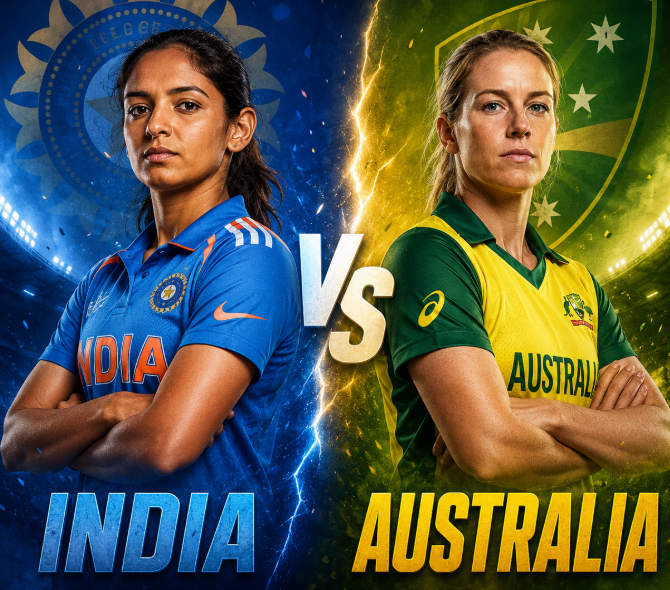
The India Women’s National Cricket Team Vs Australia Women’s National Cricket Team Match Scorecard rivalry represents one of the most fascinating stories in women’s cricket. Over the years, these two teams have produced memorable contests filled with outstanding batting displays, disciplined bowling performances, and dramatic turning points. Australia established itself as a dominant force through consistency and depth, while India steadily evolved into a strong challenger capable of competing on the biggest stages. From early encounters to World Cup battles and historic victories, every match has contributed to a rivalry that continues to captivate cricket fans worldwide. Their clashes have helped elevate the profile of women’s cricket and inspire future generations.
Recent Matches Table
| Date | Format | Venue | Winner | Margin | Team 1 Score | Team 2 Score |
|---|---|---|---|---|---|---|
| 06 March 2026 | Test | Perth | Australia | 10 wickets | India 198 & 149 | Australia 323 & 28/0 |
| 28 February 2026 | ODI | Melbourne | Australia | 185 runs | Australia 409 | India 224 |
| 26 February 2026 | ODI | Sydney | Australia | 5 wickets | India 251 | Australia 252/5 |
| 23 February 2026 | ODI | Adelaide | Australia | 6 wickets | India 214 | Australia 217/4 |
| 21 February 2026 | T20I | Sydney | India | 17 runs | India 176/6 | Australia 159/9 |
| 19 February 2026 | T20I | Canberra | Australia | 19 runs | Australia 163/5 | India 144/9 |
| 15 February 2026 | T20I | Sydney | India | 21 runs | Australia 133 | India 50/1 |
Team Statistics Summary Table
| Team | Format | Matches | Won | Lost | Tied/NR | Win Percentage |
|---|---|---|---|---|---|---|
| Australia Women | Test | 11 | 7 | 1 | 3 | 63.63% |
| India Women | Test | 11 | 1 | 7 | 3 | 9.09% |
| Australia Women | ODI | 54 | 44 | 10 | 0 | 81.48% |
| India Women | ODI | 54 | 10 | 44 | 0 | 18.51% |
| Australia Women | T20I | 34 | 25 | 8 | 1 | 73.52% |
| India Women | T20I | 34 | 8 | 25 | 1 | 23.52% |
Individual Batting Records Table
| Batter | Team | Matches | Innings | Runs | Highest Score | Average |
|---|---|---|---|---|---|---|
| Mithali Raj | India | 41 | 38 | 1195 | 109 | 34.14 |
| Ellyse Perry | Australia | 45 | 39 | 1178 | 111 | 42.07 |
| Smriti Mandhana | India | 38 | 37 | 1121 | 102 | 31.13 |
| Meg Lanning | Australia | 32 | 31 | 1083 | 121 | 38.67 |
| Alyssa Healy | Australia | 40 | 38 | 1042 | 129 | 29.77 |
| Harmanpreet Kaur | India | 42 | 39 | 984 | 171 | 28.94 |
| Beth Mooney | Australia | 28 | 26 | 915 | 89 | 41.59 |
Individual Bowling Records Table
| Bowler | Team | Matches | Overs | Wickets | Best Bowling | Economy |
|---|---|---|---|---|---|---|
| Ellyse Perry | Australia | 45 | 284.2 | 58 | 5/19 | 4.12 |
| Jhulan Goswami | India | 36 | 310.5 | 51 | 4/22 | 3.65 |
| Jess Jonassen | Australia | 32 | 215.1 | 42 | 4/18 | 4.01 |
| Megan Schutt | Australia | 29 | 198.3 | 38 | 4/21 | 4.34 |
| Deepti Sharma | India | 35 | 242.0 | 36 | 4/33 | 4.25 |
| Rajeshwari Gayakwad | India | 24 | 178.4 | 29 | 4/42 | 4.48 |
| Ashleigh Gardner | Australia | 27 | 145.0 | 27 | 3/22 | 4.62 |
When Two Women’s Cricket Giants Began Crossing Paths
The rivalry began as a meeting between a well-established powerhouse and a developing cricket nation seeking global recognition. Australia entered women’s cricket with strong domestic structures, professional systems, and a winning mentality that produced consistent success. India, meanwhile, relied on determination, emerging talent, and a growing passion for the game. Their early encounters revealed clear differences in experience, but they also laid the foundation for a competitive rivalry. Every contest helped Indian players understand the standards required at the highest level. Fans gradually became invested as each meeting added a new chapter to the story. What started as one-sided contests eventually evolved into battles filled with pressure, skill, and ambition. These first meetings played a crucial role in shaping the future direction of women’s cricket and inspired a generation of players to dream bigger on the international stage.
| Early Era | Australia Strong | India Learning | Key Outcome |
| First Meetings | Experienced Squad | Emerging Team | Valuable Lessons |
| International Tours | Consistent Results | Development Phase | Growing Exposure |
| Team Culture | Professional Setup | Expanding Structure | Increased Standards |
| Fan Interest | Established Base | Rising Support | Greater Attention |
| Rivalry Growth | Strong Foundation | Competitive Spirit | Future Battles |
The First Encounters That Set the Tone
The opening contests established patterns that would influence the rivalry for years. Australia frequently controlled matches through disciplined bowling and aggressive batting, while India focused on building consistency against elite opposition. Despite difficult results, these games offered important opportunities for learning and adaptation. Players gained experience handling pressure situations, reading match conditions, and responding to tactical challenges. Every series revealed areas where improvement was needed and highlighted the importance of fitness, fielding, and match awareness. The rivalry steadily gained attention because each encounter brought visible progress. While Australia often celebrated victories, India continued gathering valuable experience that would eventually help narrow the gap between the two teams and make future contests more competitive.
| Match Phase | Australia Edge | India Response | Result |
| Batting Depth | Reliable Runs | Building Partnerships | Competitive Growth |
| Bowling Control | Consistent Pressure | Skill Development | Learning Experience |
| Fielding Standards | Sharp Execution | Improving Techniques | Better Performances |
| Tactical Planning | Strong Decisions | Strategic Adjustments | Valuable Progress |
| Series Impact | Dominance | Development | Stronger Rivalry |
Australia’s Era of Control
For many years, Australia maintained firm control through superior depth, consistency, and tactical awareness. Their ability to produce world-class players across generations allowed them to remain ahead in crucial moments. Strong opening partnerships, accurate bowling attacks, and exceptional fielding created a formula that was difficult to challenge. India occasionally produced impressive performances, but Australia regularly found ways to regain momentum. This period established Australia’s reputation as the benchmark in women’s cricket. Their success forced opponents to raise standards and adopt new approaches. Although results often favored Australia, the rivalry remained important because every contest contributed to the growth of international women’s cricket and increased the competitive standards expected at the highest level.
| Strength Area | Australia | India | Effect |
| Batting Lineup | Deep Order | Developing Core | Consistent Results |
| Bowling Attack | Variety | Improving Options | Match Control |
| Fielding | Excellent Standards | Gradual Progress | Saved Runs |
| Leadership | Experienced Captains | Emerging Leaders | Tactical Advantage |
| Overall Impact | Dominance | Growth | Competitive Evolution |
India’s Search for a Breakthrough
India’s determination to challenge the world’s strongest side became one of the most compelling aspects of the rivalry. Talented players emerged with the confidence and skill required to compete against elite opposition. Improved coaching, better preparation, and increased international exposure contributed to stronger performances. Close matches began replacing one-sided contests, creating excitement among supporters. Several players delivered memorable performances that demonstrated India’s growing belief. Each competitive series reinforced the idea that the gap was narrowing. The search for a breakthrough victory became a motivating force for the squad and inspired greater investment in women’s cricket throughout the country.
| Development Area | Progress Made | Team Benefit | Long-Term Impact |
| Player Development | Better Skills | Stronger Squad | Greater Competitiveness |
| International Exposure | More Matches | Valuable Experience | Improved Confidence |
| Team Strategy | Modern Approach | Better Decisions | Tactical Growth |
| Fitness Standards | Increased Focus | Enhanced Performance | Consistency |
| Fan Support | Rising Interest | Positive Environment | Wider Recognition |
World Cup Meetings That Raised the Stakes
World Cup encounters transformed the rivalry into a high-pressure spectacle watched by millions. Tournament cricket leaves little room for mistakes, and every decision carries greater significance. Both teams entered these contests knowing that a single performance could determine their path toward a title. Strategic planning became more detailed, player roles gained importance, and momentum shifts often influenced outcomes. These matches showcased elite cricket under intense pressure. The global audience witnessed outstanding individual performances, disciplined team efforts, and moments that defined careers. Tournament clashes added prestige to the rivalry and strengthened its reputation as one of the most important contests in women’s cricket.
| Tournament Factor | Importance | Team Focus | Outcome |
| Knockout Pressure | Very High | Composure | Defining Moments |
| Tactical Decisions | Crucial | Planning | Match Influence |
| Star Players | Key Role | Performance | Game Changers |
| Fan Attention | Global Audience | Expectations | Increased Excitement |
| Legacy Impact | Significant | Success | Historic Memories |
The Mithali Raj and Meg Lanning Chapter
A new era emerged when two respected captains led their teams through some of the rivalry’s most memorable battles. Their leadership styles reflected different cricketing philosophies, yet both emphasized preparation, discipline, and performance. Matches during this period featured world-class batting, intelligent captaincy, and intense competition. Team strategies evolved alongside the changing demands of modern cricket. Younger players also benefited from the guidance of experienced leaders who understood how to manage pressure. This chapter became a defining period because it combined tactical sophistication with remarkable individual achievements. The rivalry reached new audiences and inspired future generations of cricketers.
| Leadership Area | Mithali Raj | Meg Lanning | Influence |
| Captaincy Style | Calm Approach | Aggressive Intent | Strategic Variety |
| Batting Role | Stability | Attacking Impact | Team Balance |
| Experience | Extensive | Elite Level | Leadership Value |
| Team Development | Guided Talent | Built Depth | Strong Squads |
| Rivalry Effect | Greater Interest | Higher Standards | Modern Era |
The 2017 World Cup Clash That Changed Everything
One unforgettable semifinal altered perceptions and became a landmark moment in women’s cricket. The contest featured fearless batting, dramatic momentum swings, and a performance that captured worldwide attention. India entered the match determined to challenge expectations, while Australia aimed to continue its successful tournament campaign. As the game unfolded, supporters witnessed one of the most remarkable innings ever played on a global stage. The victory demonstrated that belief, preparation, and execution could overcome even the strongest opponents. The result energized fans, inspired young cricketers, and elevated the profile of women’s cricket. Many observers still regard this match as one of the most significant chapters in the rivalry’s history.
| Match Element | Key Detail | Impact | Legacy |
| Tournament Stage | Semifinal | High Pressure | Historic Occasion |
| Batting Display | Match Winning Effort | Momentum Shift | Lasting Memory |
| Team Performance | Collective Success | Victory Achieved | National Pride |
| Fan Reaction | Massive Interest | Wider Recognition | Growing Audience |
| Historical Significance | Major Milestone | Changed Perceptions | Enduring Influence |
Conclusion
The India Women’s National Cricket Team Vs Australia Women’s National Cricket Team Match Scorecard rivalry has grown from a one-sided contest into one of the most competitive battles in international cricket. Australia’s dominance created the benchmark, while India’s determination and progress transformed the rivalry into a genuine contest. Historic World Cup meetings, legendary individual performances, and unforgettable match-winning moments have shaped its legacy. Each generation has added a new chapter, ensuring the rivalry remains relevant and exciting. As emerging stars continue to rise on both sides, fans can expect more thrilling encounters, remarkable records, and memorable scorecards that will further enrich this celebrated cricketing rivalry.
FAQ
Q1. When did the rivalry between India Women and Australia Women begin?
The rivalry began during the early years of international women’s cricket when both teams started facing each other in bilateral series and major tournaments.
Q2. Which team has been more successful in this rivalry?
Australia has historically enjoyed greater success, winning the majority of matches across formats due to its strong cricketing structure and consistent performances.
Q3. What is the most famous match between these teams?
The 2017 Women’s World Cup semifinal is widely regarded as the most memorable encounter because of India’s stunning victory and remarkable batting performance.
Q4. Which players have had the biggest impact on this rivalry?
Players such as Mithali Raj, Jhulan Goswami, Harmanpreet Kaur, Meg Lanning, Alyssa Healy, and Ellyse Perry have played major roles in shaping the rivalry.
Q5. Why is this rivalry important in women’s cricket?
It showcases elite competition, inspires young players, attracts global audiences, and highlights the growth and development of women’s cricket worldwide.