Table of Contents
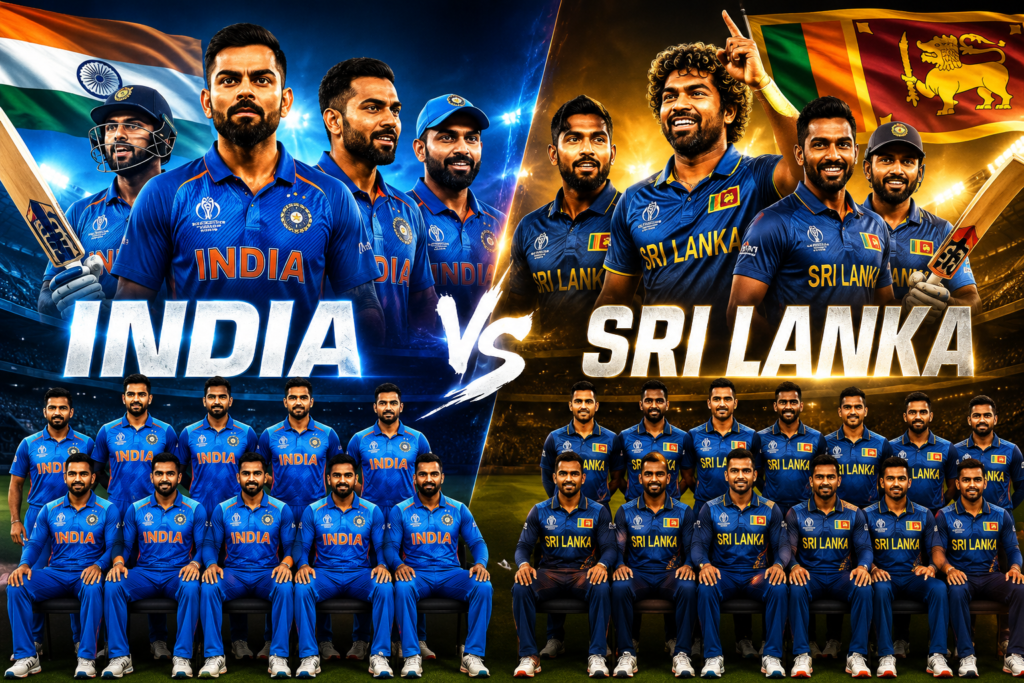
The cricket rivalry between India and Sri Lanka has produced some of the most memorable moments in international cricket. From their early encounters to high-pressure tournament finals, both teams have shared a competitive journey filled with remarkable performances, tactical battles, and emotional victories. Over the decades, legendary players from both sides have left a lasting impact through match-winning innings, record-breaking spells, and unforgettable partnerships. This rivalry is not only about results but also about the passion of millions of fans who eagerly follow every contest. The story of these encounters reflects the evolution of Asian cricket and highlights how both teams have contributed to the sport’s rich history.
Recent Matches
| Date | Format | Venue | Winner | Margin | Top Scorer | Best Bowler |
|---|---|---|---|---|---|---|
| 15 March 2026 | T20I | Dubai | India | Super Over | P Nissanka | V Chakaravarthy |
| 7 August 2024 | ODI | Colombo | Sri Lanka | 110 runs | A Fernando | J Vandersay |
| 4 August 2024 | ODI | Colombo | Sri Lanka | 32 runs | J Vandersay | W Hasaranga |
| 2 August 2024 | ODI | Colombo | Tie | Match Tied | D Wellalage | C Asalanka |
| 30 July 2024 | T20I | Pallekele | India | Super Over | S Samson | W Hasaranga |
| 28 July 2024 | T20I | Pallekele | India | 7 wickets | J Jaiswal | R Bishnoi |
| 27 July 2024 | T20I | Pallekele | India | 43 runs | S Yadav | A Singh |
Team Statistics Summary
| Format | Played | India Wins | Sri Lanka Wins | Tied | No Result | Win Ratio Ind |
|---|---|---|---|---|---|---|
| Test Matches | 46 | 24 | 7 | 0 | 15 | 3.42 |
| One Day Internationals | 171 | 99 | 59 | 2 | 11 | 1.67 |
| Twenty20 Internationals | 33 | 21 | 10 | 2 | 0 | 2.10 |
| ICC World Cups | 10 | 5 | 4 | 0 | 1 | 1.25 |
| Asia Cup ODIs | 23 | 11 | 11 | 0 | 1 | 1.00 |
| Matches In India | 104 | 66 | 13 | 1 | 24 | 5.07 |
| Matches In Sri Lanka | 120 | 51 | 54 | 2 | 13 | 0.94 |
Individual Batting Records
| Player | Team | Matches | Innings | Runs | Average | Highest Score |
|---|---|---|---|---|---|---|
| Sachin Tendulkar | India | 84 | 80 | 3113 | 43.84 | 137 |
| Sanath Jayasuriya | Sri Lanka | 89 | 85 | 2899 | 36.23 | 189 |
| Kumar Sangakkara | Sri Lanka | 76 | 72 | 2700 | 39.70 | 138 |
| Virat Kohli | India | 53 | 52 | 2608 | 62.09 | 166 |
| Mahela Jayawardene | Sri Lanka | 87 | 82 | 2602 | 35.16 | 128 |
| Rohit Sharma | India | 55 | 53 | 1957 | 43.48 | 264 |
| Marvan Atapattu | Sri Lanka | 53 | 51 | 1642 | 36.48 | 118 |
Individual Bowling Records
| Player | Team | Matches | Overs | Wickets | Average | Best Bowling |
|---|---|---|---|---|---|---|
| Muttiah Muralitharan | Sri Lanka | 63 | 574 | 74 | 31.78 | 7 for 30 |
| Chaminda Vaas | Sri Lanka | 61 | 512 | 70 | 31.61 | 5 for 41 |
| Harbhajan Singh | India | 47 | 425 | 61 | 26.95 | 5 for 56 |
| Zaheer Khan | India | 48 | 401 | 61 | 32.18 | 5 for 42 |
| Lasith Malinga | Sri Lanka | 40 | 332 | 56 | 32.21 | 5 for 34 |
| Kuldeep Yadav | India | 24 | 188 | 38 | 21.47 | 5 for 25 |
| Mohammed Siraj | India | 12 | 87 | 24 | 14.70 | 6 for 21 |
The Day a New Asian Rivalry Began
The first meetings between these neighboring cricket nations were more than ordinary international fixtures. One side entered the contest with a rich cricketing history and established stars, while the other was still building its identity on the global stage. Early encounters revealed a clear difference in experience, yet they also highlighted the determination of an emerging team eager to challenge stronger opponents. Fans quickly became invested because every contest carried a sense of regional pride. Even when results appeared predictable, competitive passages of play hinted at future battles. Several young players used these matches to prove themselves, laying foundations for careers that would later define an era. The atmosphere surrounding these contests grew stronger with every series, creating a rivalry built on respect, ambition, and the desire to dominate Asian cricket. What began as routine fixtures gradually transformed into contests followed passionately by millions of supporters across the cricketing world.
| Year | Format | Venue Region | Result Trend |
| Early Era | ODI | Asia | Competitive |
| Early Era | Test | Asia | Learning Phase |
| Initial Meetings | ODI | Neutral Venue | Growing Interest |
| Development Period | Test | Home Grounds | Tactical Growth |
| Foundation Years | Mixed | Multiple Venues | Rivalry Begins |
Learning to Compete on the Same Stage
As both teams gained experience, the contests became increasingly balanced. Tactical planning improved, batting lineups became stronger, and bowling attacks developed greater variety. Players who had once struggled against elite opposition began delivering match-winning performances. Tournament meetings added another layer of excitement because knockout pressure often exposed strengths and weaknesses. Supporters eagerly followed every encounter, knowing that a single innings or spell could change the outcome. Coaches focused on adapting strategies to different conditions, leading to more competitive cricket. Batters learned to handle spin better, while bowlers adjusted their methods against aggressive stroke makers. The rivalry became known for dramatic momentum swings, where one session could completely alter the direction of a match. These years played a crucial role in transforming occasional contests into a meaningful cricketing relationship that attracted widespread attention from fans, analysts, and former players alike.
| Aspect | Development | Impact | Outcome |
| Batting | Improved Depth | More Runs | Closer Matches |
| Bowling | Better Variety | More Pressure | Balanced Results |
| Coaching | Tactical Growth | Smarter Plans | Competitive Cricket |
| Fielding | Higher Standards | Extra Chances | Match Influence |
| Experience | Increased Exposure | Better Confidence | Rivalry Expansion |
A Revolution Changes Everything
A major transformation occurred when aggressive thinking and fearless cricket became central to one team’s approach. Traditional methods were replaced by attacking strategies that surprised opponents and changed perceptions. Opening batters looked to dominate from the start, captains embraced bold field placements, and players showed greater confidence in pressure situations. This shift forced opponents to rethink established tactics and adapt quickly. The rivalry entered a new phase where matches were no longer predictable. Fans witnessed intense battles that featured rapid scoring, emotional celebrations, and memorable turning points. Every encounter carried additional significance because both sides believed they could outperform the other on any given day. The strategic evolution also influenced cricket beyond the rivalry itself, as other teams studied these methods and attempted to replicate their success. This period remains one of the most important chapters in the history of Asian cricket competition.
| Element | Old Style | New Style | Effect |
| Batting | Cautious | Aggressive | Faster Starts |
| Captaincy | Defensive | Attacking | More Risks |
| Fielding | Standard | Energetic | Pressure Building |
| Mindset | Conservative | Fearless | Greater Confidence |
| Strategy | Reactive | Proactive | Tactical Shift |
The Clash That Divided Emotions
Few contests generated as much discussion as the high-pressure tournament encounters that captured public attention across the region. Expectations were enormous, and every decision faced intense scrutiny. Players carried the hopes of millions while dealing with the pressure of performing on the biggest stage. Momentum shifted repeatedly, creating unforgettable drama. Supporters experienced every emotion, from excitement and confidence to anxiety and disappointment. Tactical choices regarding batting order, bowling changes, and field placements became talking points for years afterward. Some players enhanced their reputations with courageous performances, while others faced criticism despite giving their best efforts. The emotional weight of these matches extended far beyond the scoreboard because they shaped how supporters remembered an entire generation of cricketers. Long after the final ball was delivered, debates continued among fans, ensuring that these contests remained a permanent part of cricketing folklore.
| Factor | Influence | Fan Reaction | Legacy |
| Pressure | Very High | Emotional | Memorable |
| Tactics | Crucial | Debated | Historic |
| Star Players | Significant | Celebrated | Lasting Impact |
| Crowd Atmosphere | Intense | Passionate | Iconic |
| Result | Decisive | Mixed Emotions | Rivalry Growth |
Battles Between Great Players
The rivalry produced remarkable individual contests that added extra excitement to every series. Elite batters challenged world-class bowlers, creating matchups eagerly anticipated by spectators. Technical skill, mental strength, and adaptability often determined who gained the upper hand. Some batters consistently found ways to score under pressure, while certain bowlers developed strategies specifically designed to dismiss key opponents. These personal battles frequently influenced match outcomes because success against a leading performer could shift momentum dramatically. Fans closely followed statistics, comparing performances and debating which player held the advantage. The rivalry also helped several cricketers establish legendary status through consistent excellence against strong opposition. Over time, these individual duels became as significant as the team results themselves. Their influence extended beyond a single series, contributing to the broader narrative that made the rivalry one of the most respected and closely followed in international cricket.
| Role | Strength | Challenge | Result |
| Batter | Technique | Quality Spin | Big Scores |
| Bowler | Variation | Set Batters | Key Wickets |
| Captain | Leadership | Pressure | Tactical Wins |
| All-Rounder | Balance | Workload | Match Impact |
| Finisher | Nerve | Tight Chases | Memorable Moments |
Finals and Trophy-Deciding Encounters
Championship matches elevated the rivalry to another level. The pressure associated with winning trophies created unique challenges that tested every aspect of a team’s preparation. Captains had to remain calm, experienced players needed to deliver under scrutiny, and younger cricketers were required to handle unfamiliar expectations. Finals often produced defining moments that shaped careers and influenced public perception. A crucial partnership, an outstanding bowling spell, or a brilliant fielding effort could determine the destination of a trophy. These matches attracted huge audiences because supporters understood the significance of the occasion. Tactical adjustments became even more important, with teams carefully studying opposition strengths and weaknesses. The memories created during these encounters remain vivid because success in a final carries greater meaning than victory in a regular series match. Trophy-deciding contests ultimately strengthened the rivalry’s reputation for drama and high-quality cricket.
| Stage | Importance | Pressure Level | Impact |
| Final | Highest | Extreme | Trophy Winner |
| Semi Final | Significant | High | Qualification |
| League Match | Moderate | Controlled | Momentum |
| Series Decider | Major | High | Reputation |
| Championship Game | Elite | Intense | Historic Memory |
The Legacy Continues in Modern Cricket
Modern cricket has introduced new formats, advanced analytics, and evolving strategies, yet the rivalry continues to attract widespread attention. Emerging players have embraced the responsibility of carrying forward a rich tradition established by previous generations. Contemporary contests feature explosive batting, innovative bowling plans, and dynamic fielding standards. Teams now rely heavily on data analysis, helping captains make informed decisions during critical moments. Despite these changes, the core attraction remains unchanged: two proud cricketing nations competing for regional supremacy. Fans continue to engage passionately through stadium attendance, television broadcasts, and digital platforms. Each new series creates fresh storylines while also reminding supporters of memorable moments from the past. The rivalry’s ability to adapt across different eras demonstrates its enduring appeal. As new talents emerge and cricket continues to evolve, this sporting relationship remains one of the most compelling narratives in the game.
| Modern Factor | Influence | Advantage | Outcome |
| Analytics | Better Planning | Smarter Decisions | Improved Results |
| T20 Cricket | Faster Pace | Aggressive Play | Entertainment |
| Young Talent | Fresh Energy | Long-Term Growth | New Heroes |
| Fitness | Higher Standards | Consistency | Better Performance |
| Technology | Detailed Review | Tactical Edge | Competitive Cricket |
Conclusion
The rivalry between India and Sri Lanka remains one of the most significant chapters in world cricket. It has delivered iconic matches, outstanding individual performances, and unforgettable tournament clashes that continue to be discussed by fans and experts alike. Across different eras, both teams have adapted to changing formats while maintaining a competitive spirit that keeps the rivalry alive. From historic victories to heartbreaking defeats, every encounter has added a new layer to this fascinating cricket story. As new generations of players emerge, the rivalry continues to evolve, ensuring that future contests will create fresh memories while preserving the rich legacy established by cricketing legends from both nations.
Frequently Asked Questions
What makes this rivalry special in international cricket?
This rivalry is known for its long history, competitive matches, major tournament encounters, and the presence of legendary players who have delivered memorable performances over several decades.
Which tournament clash is considered the most memorable?
Many fans consider the 2011 ICC Cricket World Cup Final one of the most memorable encounters because of its significance, pressure, and historic result.
Who are some of the legendary players associated with this rivalry?
Several iconic cricketers have shaped this rivalry, including Sachin Tendulkar, MS Dhoni, Virat Kohli, Arjuna Ranatunga, Kumar Sangakkara, Mahela Jayawardene, and Muttiah Muralitharan.
Has the rivalry produced record-breaking performances?
Yes, the rivalry has featured numerous records, including outstanding centuries, remarkable bowling figures, major partnerships, and memorable team totals across different formats.
Why do fans closely follow these matches?
Fans follow these contests because they combine regional pride, strong competition, talented players, and the possibility of witnessing unforgettable cricketing moments.