Table of Contents
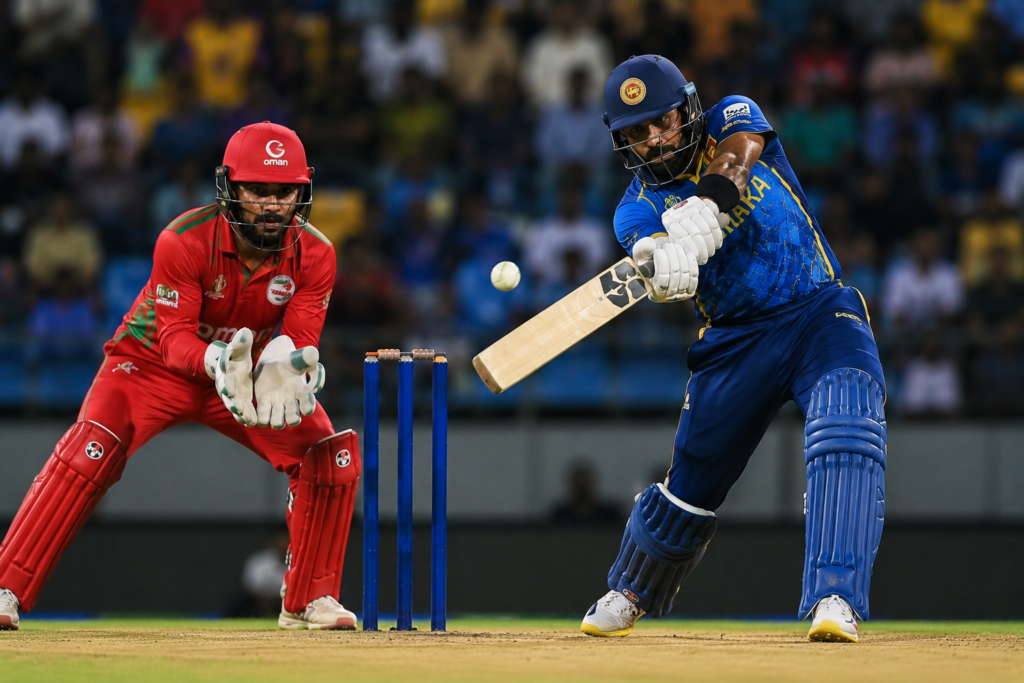
The encounters between Oman and Sri Lanka have provided cricket fans with an interesting contrast between an emerging team and an established international force. These matches have showcased determination, skill, and the desire to succeed on the global stage. Sri Lanka entered these contests with a rich cricketing history and significant tournament experience, while Oman approached them as opportunities to test their progress against elite opposition. Every meeting produced valuable lessons, memorable performances, and important tactical battles. The contests highlighted the growth of associate cricket and demonstrated how competitive spirit and preparation can help developing teams challenge stronger opponents in major international events.
Latest Matches Table
| Date | Format | Venue | Winner | Margin | First Innings | Second Innings |
|---|---|---|---|---|---|---|
| 12 Feb 2026 | T20I | Pallekele | Sri Lanka | 105 runs | Sri Lanka 225/5 | Oman 120/9 |
| 23 Jun 2023 | ODI | Bulawayo | Sri Lanka | 10 wickets | Oman 98 | Sri Lanka 100/0 |
| 09 Oct 2021 | T20 | Al Amerat | Sri Lanka | 5 wickets | Oman 159/8 | Sri Lanka 163/5 |
| 07 Oct 2021 | T20 | Al Amerat | Sri Lanka | 19 runs | Sri Lanka 162/4 | Oman 143/8 |
| No Match | None | None | None | None | None | None |
| No Match | None | None | None | None | None | None |
Head-to-Head Summary Table
| Format [1] | Played | Sri Lanka Won | Oman Won | Tied | No Result | Win Percentage |
|---|---|---|---|---|---|---|
| T20I | 1 | 1 | 0 | 0 | 0 | 100.00% |
| ODI | 1 | 1 | 0 | 0 | 0 | 100.00% |
| Other T20 | 2 | 2 | 0 | 0 | 0 | 100.00% |
| All Formats | 4 | 4 | 0 | 0 | 0 | 100.00% |
| Test | 0 | 0 | 0 | 0 | 0 | 0.00% |
| Neutral Venue | 2 | 2 | 0 | 0 | 0 | 100.00% |
Best Player Analysis Table
| Player Name | Team | Match Type | Runs Scored | Wickets Taken | High Score | Economy Rate |
|---|---|---|---|---|---|---|
| Kusal Mendis | Sri Lanka | T20I | 61 | 0 | 61 | 0.00 |
| Dimuth Karunaratne | Sri Lanka | ODI | 61 | 0 | 61 | 0.00 |
| Pavan Rathnayake | Sri Lanka | T20I | 60 | 0 | 60 | 0.00 |
| Mohammad Nadeem | Oman | T20I | 53 | 0 | 53 | 0.00 |
| Dasun Shanaka | Sri Lanka | T20I | 50 | 0 | 50 | 6.00 |
| Wanindu Hasaranga | Sri Lanka | ODI | 0 | 5 | 0 | 1.41 |
Top Run Scorers All-Time
| Player Name | Team | Matches | Innings | Total Runs | High Score | Batting Average |
|---|---|---|---|---|---|---|
| Aqib Ilyas | Oman | 3 | 3 | 119 | 60 | 39.66 |
| Pathum Nissanka | Sri Lanka | 2 | 2 | 113 | 63 | 63.00 |
| Kusal Mendis | Sri Lanka | 1 | 1 | 61 | 61 | 61.00 |
| Dimuth Karunaratne | Sri Lanka | 1 | 1 | 61 | 61 | 61.00 |
| Pavan Rathnayake | Sri Lanka | 1 | 1 | 60 | 60 | 60.00 |
| Mohammad Nadeem | Oman | 2 | 2 | 55 | 53 | 55.00 |
The Growing Gap Between an Emerging Nation and a World Champion
One side entered international cricket carrying decades of experience, major tournament victories, and a deep talent pool. The other represented a rapidly developing cricket nation eager to prove its credentials on the global stage. This contrast created a fascinating storyline whenever the teams met. The established side relied on technical excellence, disciplined bowling units, and players accustomed to high-pressure contests. Meanwhile, the rising nation viewed every encounter as an opportunity to accelerate its growth and gain valuable experience against elite opposition. The matches became more than simple contests because they reflected two different stages of cricket development. Fans closely watched how the underdogs adapted to the pace and intensity of top-level cricket. Coaches focused on learning opportunities, while players measured themselves against some of the most accomplished performers in the game. Every over provided lessons, confidence, and moments of inspiration. These encounters also highlighted the expanding reach of international cricket and demonstrated how emerging teams can challenge traditional powers through commitment, preparation, and fearless cricket.
| Team Status | Experience Level | Major Strength | Key Objective | Impact |
| Established Power | Very High | Balanced Squad | Win Consistently | Global Influence |
| Emerging Nation | Growing | Determination | Gain Experience | Development |
| Senior Players | Extensive | Match Awareness | Lead Team | Stability |
| Young Talent | Improving | Energy | Impress Globally | Future Growth |
| Coaching Staff | Professional | Strategy | Team Progress | Long-Term Success |
First Contact on the International Stage
The first meeting between the sides carried significant anticipation because both teams entered the contest with different expectations. One team aimed to reinforce its status as a leading cricket nation, while the other hoped to announce its arrival on a bigger stage. Conditions, team selection, and tournament context added extra intrigue before the first ball was bowled. Players understood the importance of making a strong impression, particularly in a global competition where every result could influence future opportunities. The opening exchanges reflected nervous energy and excitement. Bowlers searched for early breakthroughs while batters attempted to settle into their rhythm. Supporters followed every development with intense interest, knowing that a strong performance could shape the narrative surrounding the matchup. As the game progressed, confidence levels shifted and momentum changed hands during critical phases. The contest offered valuable insights into each team’s strengths and weaknesses. It also established the foundation for future meetings by creating memorable moments that players, coaches, and supporters would continue to reference in later encounters.
| Match Factor | Team Focus | Challenge | Opportunity | Resulting Effect |
| Tournament Stage | Strong Start | Pressure | Momentum | Confidence |
| Team Selection | Balance | Competition | Flexibility | Stability |
| Batting Approach | Positive Intent | Early Wickets | Run Flow | Match Control |
| Bowling Plans | Discipline | Conditions | Breakthroughs | Pressure Creation |
| Fan Interest | High | Expectations | Support | Atmosphere |
Sri Lanka’s Early Statement of Authority
The experienced side quickly demonstrated why it had earned respect throughout international cricket. From the opening overs, the players displayed composure, technical quality, and tactical awareness. Batters focused on building partnerships rather than chasing quick runs, ensuring a stable platform for the middle order. Their approach reflected confidence and a clear understanding of match situations. Bowlers complemented that effort by maintaining disciplined lines and forcing mistakes from opposition batters. Field placements were aggressive when opportunities emerged, creating additional pressure during key moments. The team’s experience proved valuable whenever momentum threatened to shift. Rather than panicking, players relied on proven methods and executed their plans effectively. This authority was not only visible on the scoreboard but also evident in decision-making throughout the contest. The performance reinforced their reputation as a side capable of controlling games through patience and execution. For the opposition, the match highlighted the standards required at the highest level. Despite the challenge, it also provided important lessons that would contribute to future development and stronger performances.
| Performance Area | Strategy Used | Key Benefit | Pressure Level | Outcome |
| Top Order | Partnership Building | Stability | Moderate | Strong Start |
| Middle Order | Rotation Strike | Momentum | High | Consistency |
| Pace Bowling | Tight Lines | Control | High | Wickets |
| Spin Attack | Variation | Containment | Medium | Pressure |
| Fielding Unit | Aggressive Positions | Chances Created | High | Match Influence |
Oman Refuses to Back Down
Although facing a more established opponent, the emerging side showed resilience and determination throughout the contest. Players approached the challenge with confidence and refused to allow early setbacks to define their performance. Batters worked hard to build partnerships, absorb pressure, and capitalize on scoring opportunities whenever they appeared. Several individuals demonstrated impressive composure against quality bowling attacks, earning admiration from neutral observers and supporters alike. The bowling unit also produced encouraging spells that tested experienced batters and briefly shifted momentum. Every breakthrough generated excitement and reinforced belief within the squad. The team’s fighting spirit became one of the most memorable aspects of the encounter. Rather than focusing solely on the final result, players concentrated on competing in every phase of the game. This mindset helped them remain competitive even when circumstances became difficult. The performance illustrated the progress made by the team in recent years and highlighted its potential for future success. Such displays contributed significantly to growing respect for the nation’s cricketing journey.
| Team Aspect | Positive Feature | Key Moment | Learning Outcome | Future Value |
| Batting Unit | Patience | Partnerships | Match Awareness | Growth |
| Bowling Group | Persistence | Breakthroughs | Consistency | Improvement |
| Fielding Side | Energy | Saved Runs | Discipline | Reliability |
| Team Spirit | Determination | Pressure Phases | Confidence | Motivation |
| Support Base | Enthusiasm | Crowd Support | Belief | Expansion |
The Battle of Captains
Leadership played a crucial role whenever the teams shared the field. Captains were responsible for balancing aggression with caution while responding to changing match situations. Their decisions often influenced momentum more than individual performances. Bowling changes, field placements, and batting strategies required constant evaluation throughout the contest. One captain relied heavily on experience and tactical awareness, using proven methods to maintain control. The other focused on adaptability and innovation, seeking opportunities to challenge stronger opponents. These contrasting approaches created an engaging strategic battle. Every wicket, partnership, and scoring burst forced new decisions and adjustments. Effective communication with teammates also became essential during pressure situations. Strong leadership helped players remain focused on their responsibilities and execute plans with confidence. Supporters frequently debated captaincy decisions after matches, highlighting their significance within the overall contest. Ultimately, the captain who managed resources most effectively often gained a decisive advantage. These leadership duels added another compelling layer to the broader cricketing story.
| Leadership Area | Captain Focus | Tactical Choice | Match Impact | Value |
| Field Settings | Pressure | Attacking Fields | Wickets | Advantage |
| Bowling Changes | Flexibility | Matchups | Control | Momentum |
| Batting Plans | Stability | Partnerships | Runs | Balance |
| Communication | Clarity | Team Direction | Confidence | Unity |
| Decision Making | Awareness | Timely Actions | Results | Success |
Star Players Take Center Stage
High-profile contests often produce standout individual performances, and these meetings were no exception. Several players seized the opportunity to influence matches through skill, temperament, and determination. Batters who handled pressure effectively often became the foundation of their team’s success. Their ability to rotate strike, punish loose deliveries, and build partnerships helped shape the direction of games. Bowlers responded with equally impressive efforts, using movement, pace, and variation to challenge opponents. Key wickets frequently changed momentum and created new opportunities for fielding sides. All-rounders added further value by contributing in multiple disciplines and maintaining balance within the team structure. These performances captured the attention of fans and analysts, generating discussion long after matches ended. Individual excellence often became the difference between victory and defeat, particularly in tightly contested phases. Beyond statistics, these players inspired teammates and demonstrated the qualities required to succeed on the international stage. Their contributions remain among the most memorable aspects of the rivalry’s history.
| Player Role | Main Contribution | Key Skill | Match Influence | Importance |
| Opener | Fast Start | Timing | Momentum | High |
| Middle Order Batter | Stability | Rotation | Recovery | High |
| Fast Bowler | Breakthroughs | Pace | Pressure | Significant |
| Spinner | Control | Variation | Containment | Valuable |
| All-Rounder | Balance | Versatility | Flexibility | Crucial |
Moments That Changed the Direction of the Rivalry
Every sporting rivalry contains defining moments that alter perceptions and influence future encounters. In these contests, crucial wickets, important partnerships, and exceptional fielding efforts often changed the direction of matches. A single breakthrough sometimes halted a promising innings, while a resilient partnership could completely transform the scoreboard. Momentum swings became a recurring theme, keeping supporters emotionally invested throughout the action. Players who delivered under pressure earned recognition and strengthened their reputation within the rivalry. Tactical adjustments also played an important role. Captains who identified weaknesses and reacted quickly frequently gained valuable advantages. Fielders contributed through catches, run-outs, and athletic stops that prevented crucial runs. These moments demonstrated how small details can determine outcomes at the highest level. Over time, such incidents became part of the rivalry’s identity and provided memorable talking points for fans. They also highlighted the unpredictable nature of cricket, where fortunes can change rapidly and every decision carries significance. Those defining moments ensured the rivalry remained engaging and meaningful.
| Turning Point | Situation | Immediate Effect | Long-Term Impact | Significance |
| Early Wicket | New Batter | Pressure | Momentum Shift | Major |
| Big Partnership | Recovery Phase | Stability | Confidence | High |
| Run Out | Tight Match | Opportunity | Psychological Edge | Important |
| Bowling Spell | Middle Overs | Control | Match Direction | Crucial |
| Fielding Effort | Pressure Moment | Saved Runs | Team Energy | Valuable |
Conclusion
The rivalry reflects the changing landscape of modern cricket, where developing nations increasingly challenge established teams through dedication and steady progress. Each encounter has contributed valuable chapters to a story built on competition, resilience, and ambition. Experienced players demonstrated why they remain among the sport’s elite, while emerging talents proved they can compete on bigger stages. The matches delivered exciting moments, important partnerships, tactical contests, and standout individual performances. As both teams continue their cricketing journeys, future meetings promise fresh challenges, new heroes, and additional memorable moments that will further strengthen this growing international rivalry.
Faq?
What makes this rivalry interesting for cricket fans?
The rivalry is interesting because it features a traditional cricket power facing a rapidly improving team, creating a compelling contrast in experience, tactics, and expectations.
Which team has historically held the advantage?
The more established side has generally enjoyed greater success due to its stronger international record, deeper talent pool, and experience in major tournaments.
Why are these matches important for emerging cricket nations?
Such matches provide exposure to high-level competition, helping players gain experience, improve skills, and measure their progress against top opponents.
What factors usually decide the outcome of these contests?
Key factors include batting partnerships, bowling discipline, fielding efficiency, tactical captaincy decisions, and handling pressure during crucial moments.
Can future meetings become more competitive?
Yes, continued investment in player development and international exposure can help emerging teams narrow the gap and create even more competitive contests in the future.