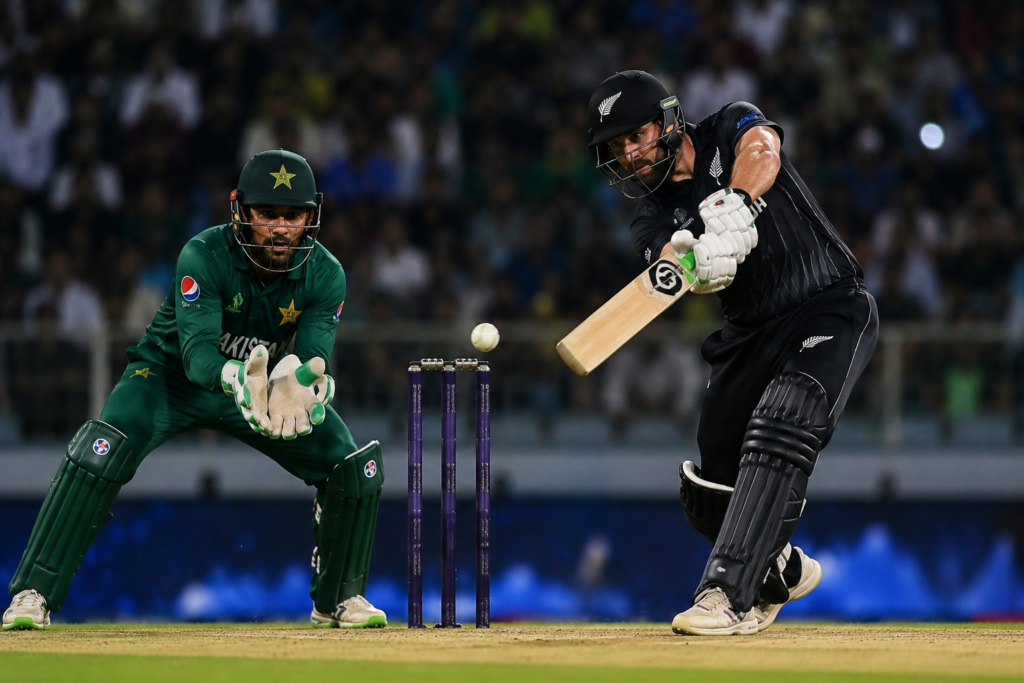
Few international cricket rivalries combine skill, resilience, and unpredictability quite like the contests between these two nations. Over the years, their encounters have produced memorable performances, dramatic finishes, and tactical masterclasses across Tests, One Day Internationals, and T20 Internationals. From the earliest meetings to modern-day clashes, both sides have consistently challenged each other with contrasting styles and strong competitive spirit. Legendary players, emerging stars, and passionate supporters have all contributed to the rivalry’s unique identity. Every series has added a new chapter, creating a rich history filled with defining moments, remarkable achievements, and unforgettable cricketing memories.
Latest Matches Table
Date
Match Format
Venue
Winner
Margin
Top Performer
Player Stats
11 June 2026
T20 International
Auckland
New Zealand
6 wickets
Glenn Phillips
45 runs and 2 wickets
21 February 2026
T20 World Cup
Colombo
No Result
Rain Abandoned
None
Match washed out
14 January 2026
One Day International
Lahore
Pakistan
4 wickets
Babar Azam
82 runs not out
11 January 2026
One Day International
Karachi
New Zealand
45 runs
Devon Conway
112 runs off 98 balls
08 January 2026
One Day International
Karachi
Pakistan
5 wickets
Shaheen Afridi
4 wickets for 32 runs
27 April 2025
T20 International
Rawalpindi
New Zealand
14 runs
Mark Chapman
87 runs off 42 balls
25 April 2025
T20 International
Lahore
Pakistan
7 wickets
Fakhar Zaman
63 runs off 35 balls
Head-to-Head Summary Table
Format
Total Matches Played
New Zealand Wins
Pakistan Wins
Tied Matches
No Result Matches
Win Ratio Percentage
Test Matches
62
14
25
0
23
22.58 percent
One Day Internationals
118
52
62
1
3
44.06 percent
T20 Internationals
45
19
23
1
2
42.22 percent
World Cup ODI
10
2
8
0
0
20.00 percent
World Cup T20
7
2
5
0
0
28.57 percent
Matches In New Zealand
81
46
28
1
6
56.79 percent
Matches In Pakistan
63
16
41
1
5
25.39 percent
Best Player Analysis Table
Player Name
Country
Primary Skill
Best Format Performance
Key Strength
Match Winning Impacts
Current ICC Rating
Babar Azam
Pakistan
Right Hand Batsman
One Day Internationals
Cover Drive Execution
28 Match Winning Knocks
824 Rating Points
Kane Williamson
New Zealand
Right Hand Batsman
Test Matches
Defensive Technique
24 Match Winning Knocks
811 Rating Points
Shaheen Afridi
Pakistan
Left Arm Fast Bowler
T20 Internationals
Powerplay Swing Bowling
19 Impact Spells
734 Rating Points
Mitchell Santner
New Zealand
Left Arm Orthodox
T20 Internationals
Economy Rate Control
15 Tight Spells
685 Rating Points
Mohammad Rizwan
Pakistan
Wicketkeeper Batsman
T20 Internationals
Strike Rotation Ability
17 Anchored Innings
712 Rating Points
Glenn Phillips
New Zealand
All Rounder
T20 Internationals
Explosive Lower Order Hitting
12 Power Finishes
643 Rating Points
Tim Southee
New Zealand
Right Arm Fast Medium
Test Matches
Outswing Delivery Control
22 Traditional Spells
620 Rating Points
Top Run Scorers All-Time
Batsman Name
Country
Total Runs Scored
Batting Average Rate
Highest Individual Score
Centuries Scored
Half Centuries Scored
Inzamam ul Haq
Pakistan
3118
46.53
142
7
19
Javed Miandad
Pakistan
2914
51.12
271
8
15
Kane Williamson
New Zealand
2645
43.36
238
6
14
Stephen Fleming
New Zealand
2512
34.41
192
4
16
Babar Azam
Pakistan
2431
49.61
114
5
17
Saleem Malik
Pakistan
2215
40.27
143
4
12
Nathan Astle
New Zealand
2143
36.32
117
3
13
When Two Cricketing Worlds First Collided
The first meetings between these two international sides brought together contrasting cricket philosophies. One team relied heavily on natural flair, aggressive stroke play, and individual brilliance, while the other emphasized structure, patience, and disciplined execution. Their earliest contests were not just about runs and wickets but also about understanding different approaches to the game. As players adjusted to unfamiliar conditions and strategies, every session became a learning experience. The opening encounters produced several memorable performances that hinted at the rivalry’s future potential. Batters were challenged by disciplined bowling attacks, while bowlers faced talented lineups capable of changing momentum quickly. Fans gradually became invested as each contest delivered fresh storylines and unexpected twists. The competitive spirit remained strong, yet mutual respect was evident on the field. These early battles laid the groundwork for decades of memorable cricket, creating a rivalry built on resilience, adaptability, and a constant desire to improve against a worthy opponent.
Aspect
Team A Style
Team B Style
Impact
Batting
Aggressive
Structured
Balanced contests
Bowling
Pace Focus
Disciplined Lines
Tight matches
Strategy
Attacking
Patient
Tactical battles
Strength
Individual Talent
Team System
Competitive edge
Result
Unpredictable
Consistent
Rivalry growth
Pakistan’s Flair Meets New Zealand’s Discipline
As the rivalry matured, matches became more intense and strategically complex. One side often trusted instinct and attacking cricket, while the other preferred calculated decision-making and disciplined execution. This contrast made every series fascinating. Spectators witnessed remarkable batting displays alongside disciplined bowling performances that frequently shifted momentum. Captains experimented with field placements and bowling rotations to gain even the smallest advantage. Several contests during this phase were closely fought, with outcomes determined by brief moments of brilliance. Experienced players emerged as match winners, while younger talents used these games to announce themselves on the international stage. The rivalry also gained attention because both teams consistently challenged each other’s strengths. A strong batting lineup would be tested by relentless bowling, while patient accumulators faced aggressive tactics designed to force mistakes. These encounters elevated the rivalry beyond routine bilateral cricket and transformed it into a compelling contest between two distinctly different cricketing identities.
Category
Observation
Key Factor
Outcome
Batting Approach
Positive Intent
Shot Selection
Fast Scoring
Bowling Plans
Consistent Pressure
Accuracy
Wickets
Leadership
Tactical Changes
Match Awareness
Momentum Shifts
Fielding
High Standards
Energy
Saved Runs
Competition
Closely Fought
Balance
Greater Interest
The Era of Imran Khan and Richard Hadlee
The arrival of legendary leaders and world-class fast bowlers elevated the rivalry to a new level. Matches during this period often revolved around exceptional individual performances that could alter the course of a series. Fast bowling became a major theme as both teams possessed players capable of producing match-winning spells. Batters faced relentless challenges from bowlers who combined pace, movement, and intelligence. Captains led from the front and inspired teammates through both performance and tactical awareness. Every encounter carried added significance because fans expected greatness whenever these icons stepped onto the field. Several matches were defined by disciplined bowling attacks restricting strong batting lineups, while others featured resilient innings under immense pressure. The rivalry developed a reputation for producing high-quality cricket where skill and determination mattered more than conditions. This era also strengthened global interest, as neutral fans recognized the quality of contests and eagerly followed each series between two highly competitive sides.
Element
Influence
Key Contributor
Result
Fast Bowling
Match Control
Strike Bowlers
Breakthroughs
Leadership
Tactical Direction
Captains
Team Success
Batting Resistance
Pressure Handling
Senior Players
Recovery
Competition
High Quality
Both Teams
Strong Rivalry
Legacy
Historic Impact
Legends
Lasting Memory
World Cup Pressure Creates a New Level of Rivalry
Tournament cricket introduced an entirely different dimension to the rivalry. Every match carried enormous consequences because a single defeat could impact qualification hopes or knockout ambitions. Players experienced greater pressure, and fans followed every ball with heightened emotion. High-stakes contests often produced unforgettable moments, from dramatic run chases to game-changing bowling spells. Tactical planning became more detailed as teams studied opponents closely and prepared specific strategies. Individual brilliance frequently made the difference when pressure reached its highest level. Captains faced difficult decisions regarding batting orders, bowling changes, and field placements. These matches were remembered not only for the final results but also for the tension that surrounded them. Supporters celebrated victories passionately and endured defeats painfully because tournament success carried global significance. As a result, the rivalry became associated with some of the most dramatic contests in international cricket, adding another layer to an already compelling sporting relationship.
Tournament Factor
Importance
Impact
Outcome
Knockout Pressure
Very High
Player Focus
Intense Matches
Tactical Planning
Essential
Better Execution
Close Results
Fan Interest
Global
High Engagement
Larger Audience
Individual Brilliance
Crucial
Momentum Change
Match Winners
Tournament Stakes
Significant
Added Tension
Memorable Games
The Inzamam, Saeed Anwar and Fleming Years
A new generation brought fresh energy and new storylines to the rivalry. Elegant stroke makers, dependable captains, and versatile bowlers shaped an era remembered for competitive balance. Batting lineups became stronger, producing several memorable innings that influenced major series outcomes. Experienced players guided their teams through difficult situations while younger stars emerged as future leaders. Strategic thinking also evolved as captains adapted to changing formats and conditions. Partnerships often played a decisive role, with crucial stands rescuing innings or accelerating scoring rates. Bowlers responded with innovative plans designed to counter increasingly aggressive batting approaches. Fans enjoyed contests that regularly featured momentum swings and dramatic finishes. The rivalry remained competitive because both sides possessed enough talent to challenge each other regardless of venue. This period strengthened the rivalry’s reputation for producing entertaining cricket while showcasing some of the finest players of their generation.
Area
Contribution
Match Effect
Legacy
Batting Depth
Strong Lineups
Higher Totals
Exciting Cricket
Leadership
Calm Decisions
Stability
Team Growth
Partnerships
Run Building
Match Control
Key Moments
Bowling Plans
Tactical Variety
Breakthroughs
Competitive Balance
Team Development
Emerging Stars
Future Success
Long-Term Impact
Matches That Turned Friendly Competition Into Genuine Tension
While respect remained central to the rivalry, certain matches introduced visible tension and heightened emotions. Close finishes, controversial moments, and high-pressure situations intensified competition between the two sides. Players occasionally engaged in psychological battles as they attempted to gain a mental advantage. Every run, wicket, and decision carried greater significance because the margins between victory and defeat were often extremely small. Supporters became deeply invested, creating an atmosphere where emotions ran high. Captains faced immense pressure to make correct decisions under difficult circumstances. These encounters highlighted the mental side of international cricket, where confidence and composure could be as important as technical ability. Several memorable matches from this phase remained topics of discussion long after they ended. The rivalry became known not only for quality cricket but also for its emotional intensity, making each meeting eagerly anticipated by fans around the world.
Factor
Description
Influence
Result
Close Finishes
Narrow Margins
High Drama
Memorable Games
Player Battles
Mental Pressure
Competitive Edge
Added Intensity
Crowd Emotion
Strong Support
Atmosphere
Excitement
Tactical Decisions
Critical Choices
Momentum
Match Outcome
Rivalry Growth
Increased Interest
Global Attention
Bigger Contests
Pakistan’s Unpredictability Against New Zealand’s Consistency
One of the most fascinating aspects of this rivalry has been the contrast between unpredictability and consistency. One side often produced moments of brilliance capable of changing a match instantly, while the other relied on structure, preparation, and steady execution. This difference ensured that no contest felt predictable. Even when one team appeared dominant, momentum could shift unexpectedly through a crucial partnership or a remarkable bowling spell. Coaches and captains constantly adjusted strategies to account for these contrasting strengths. Fans appreciated the uncertainty because every match offered the possibility of a dramatic turnaround. Statistical trends often revealed competitive balance despite differing approaches. Success frequently depended on which side imposed its preferred style more effectively. This ongoing battle between instinctive flair and disciplined planning has remained one of the defining features of the rivalry and continues to captivate cricket followers across different generations.
Characteristic
Team Style
Advantage
Match Impact
Consistency
Structured Play
Reliability
Stable Results
Unpredictability
Natural Flair
Surprise Factor
Momentum Shifts
Strategy
Detailed Planning
Control
Better Execution
Individual Talent
Match Winners
Game Changing
Quick Turnarounds
Rivalry Identity
Contrasting Approaches
Unique Appeal
Fan Interest
Conclusion
The rivalry remains one of international cricket’s most compelling contests because it blends tradition, talent, and constant evolution. Throughout different eras, both teams have delivered exceptional performances that shaped series outcomes and influenced global cricket. Great captains, world-class bowlers, dependable batters, and unforgettable matches have ensured lasting interest among supporters worldwide. Whether in bilateral series or major tournaments, every encounter has carried significance and excitement. As new generations continue to emerge, the rivalry promises even more memorable moments. Its legacy is built on competition, mutual respect, and a shared commitment to producing high-quality cricket on the international stage.
Faq?
When did the rivalry between these two teams begin? The rivalry began with their earliest international meetings, where contrasting cricket styles created competitive and memorable contests.
What makes this rivalry unique? The combination of disciplined cricket, attacking flair, tactical battles, and close finishes makes the rivalry stand out.
Which formats have produced the most memorable encounters? Tests, ODIs, and T20Is have all delivered significant moments, but ICC tournament matches are often remembered the most.
Why do fans enjoy these matches so much? Supporters appreciate the unpredictability, quality performances, dramatic finishes, and strong competitive spirit between the teams.
How has the rivalry changed over time? The rivalry has evolved through different generations of players, adapting to new formats and modern strategies while remaining highly competitive.