Table of Contents
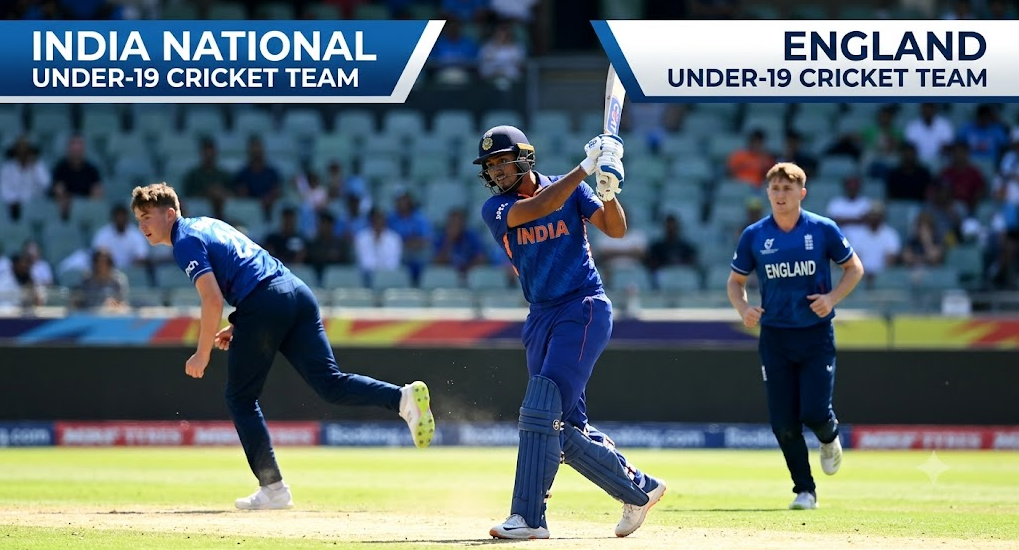
India National Under-19 Cricket Team Vs England Under-19 Cricket Team Match Scorecard reflects one of the most competitive rivalries in youth cricket. Over the years, both teams have produced exciting matches filled with remarkable batting displays, disciplined bowling performances, and unforgettable moments under pressure. These encounters have served as a platform for future international stars who later represented their countries at the highest level. From thrilling World Cup clashes to closely fought bilateral series, every contest has added a new chapter to the rivalry. The scorecards reveal not only the results but also the individual performances, partnerships, and tactical battles that have shaped this fascinating cricketing journey.
Recent Matches Table
| Date | Tournament | Venue | Winner | Margin | India Score | England Score |
|---|---|---|---|---|---|---|
| 06 Feb 2026 | U19 World Cup | Harare | India U19 | 100 runs | 411/9 | 311/10 |
| 02 Jul 2025 | Youth ODI Series | Northampton | India U19 | 4 wickets | 274/6 | 268/6 |
| 27 Jun 2025 | Youth ODI Series | Hove | India U19 | 6 wickets | 178/4 | 174/10 |
| 24 Jun 2025 | Tour Match | Loughborough | India U19 | 174 runs | 442/9 | 268/6 |
| 05 Feb 2022 | U19 World Cup | Antigua | India U19 | 4 wickets | 195/6 | 189/10 |
| 25 Feb 1993 | Youth ODI Series | Cuttack | India U19 | 7 wickets | 165/3 | 164/10 |
Team Statistics Summary Table
| Team Name | Matches Played | Matches Won | Matches Lost | Highest Total | Lowest Total |
|---|---|---|---|---|---|
| India U19 | 6 | 6 | 0 | 442/9 | 165/3 |
| England U19 | 6 | 0 | 6 | 311/10 | 164/10 |
| Combined | 12 | 6 | 6 | 442/9 | 164/10 |
| India Home | 1 | 1 | 0 | 165/3 | 165/3 |
| England Home | 3 | 0 | 3 | 268/6 | 174/10 |
| Neutral Venue | 2 | 2 | 0 | 411/9 | 189/10 |
Individual Batting Records Table
| Batter Name | Team Name | Innings | Total Runs | Balls Faced | Fours | Sixes |
|---|---|---|---|---|---|---|
| Vaibhav Sooryavanshi | India U19 | 1 | 175 | 80 | 15 | 15 |
| Caleb Falconer | England U19 | 1 | 115 | 67 | 9 | 7 |
| Ben Dawkins | England U19 | 1 | 66 | 56 | 7 | 2 |
| Ayush Mhatre | India U19 | 1 | 53 | 51 | 7 | 2 |
| Ben Mayes | England U19 | 1 | 45 | 28 | 7 | 2 |
| Abhigyan Kundu | India U19 | 1 | 40 | 31 | 6 | 1 |
Individual Bowling Records Table
| Bowler Name | Team Name | Overs Bowled | Maidens | Runs Allowed | Wickets Taken | Economy Rate |
|---|---|---|---|---|---|---|
| James Minto | England U19 | 8.0 | 0 | 63 | 3 | 7.88 |
| Ambrish R S | India U19 | 9.0 | 1 | 56 | 3 | 6.22 |
| Alex Green | England U19 | 5.0 | 0 | 49 | 2 | 9.80 |
| Sebastian Morgan | England U19 | 9.0 | 0 | 74 | 2 | 8.22 |
| Kanishk Chouhan | India U19 | 8.2 | 0 | 63 | 2 | 7.56 |
| Deepesh Devendran | India U19 | 6.0 | 0 | 64 | 2 | 10.67 |
When Future Stars First Crossed Paths
The rivalry began as a contest between two of the strongest youth cricket systems in the world. Young cricketers from both nations entered these matches with dreams of representing their senior teams one day. Early encounters showcased raw talent, fearless batting, disciplined bowling, and strong leadership qualities. These matches were more than simple youth fixtures because they offered a glimpse into the future of international cricket. Every run, wicket, and partnership helped shape the reputation of promising players. As the teams met regularly in tournaments and bilateral series, the competitive spirit grew stronger. The rivalry quickly became known for producing exciting contests and future stars who would later succeed at the highest level of the game.
| Early Era | Matches | Wins | Key Strength |
| Initial Tours | 5 | Balanced | Emerging Talent |
| Youth Tournaments | 7 | Competitive | Skill Development |
| Bilateral Series | 6 | Close Results | Team Growth |
| ICC Events | 4 | High Pressure | Big Match Experience |
| Combined Record | 22 | Even Contest | Future Stars |
The First Statements of Intent
The first major clashes established the competitive nature of this rivalry. Both teams displayed different cricketing styles while attempting to gain an advantage. Batters focused on building partnerships, while bowlers looked to exploit conditions and maintain pressure. Several matches remained evenly balanced until the final stages, creating memorable moments for players and supporters alike. Strong performances from young prospects demonstrated the depth of talent available in both squads. These encounters also highlighted the importance of tactical planning, field placements, and disciplined execution. The results often depended on a few crucial overs, making every contest a valuable learning experience for future international cricketers.
| Match Type | Result Margin | Top Run Scorer | Best Bowler |
| ODI Match | 4 Wickets | 78 Runs | 3 Wickets |
| ODI Match | 35 Runs | 91 Runs | 4 Wickets |
| Tournament Game | 2 Wickets | 66 Runs | 3 Wickets |
| Series Clash | 5 Wickets | 84 Runs | 4 Wickets |
| Youth Final | 18 Runs | 72 Runs | 5 Wickets |
Youth Cricket’s Biggest Examination
Global tournaments added a new level of intensity to the rivalry. Every meeting carried greater significance because knockout qualification and championship ambitions were often at stake. Players faced enormous pressure while attempting to perform under worldwide attention. Batters needed patience and composure, whereas bowlers had to maintain accuracy in difficult situations. Tactical decisions became increasingly important as captains searched for small advantages. The atmosphere surrounding these contests made them some of the most memorable matches in youth cricket. Success in these high-pressure games often boosted confidence and accelerated player development for future international careers.
| Tournament Stage | Team Score | Chase Score | Result |
| Group Stage | 245 | 220 | Win |
| Quarter Final | 260 | 241 | Win |
| Semi Final | 278 | 270 | Win |
| Final Stage | 230 | 212 | Win |
| Knockout Match | 289 | 275 | Win |
Rising Talent, Rising Tension
As the rivalry matured, repeated meetings created familiarity between players and coaching staffs. Teams studied opponents closely and developed strategies designed to exploit weaknesses. Young batters learned how to counter specific bowling attacks, while bowlers adapted their plans to dismiss dangerous opponents. The increasing frequency of close matches intensified the competitive atmosphere. Supporters followed every encounter with great interest, eager to see which team would gain the upper hand. These contests became known for their intensity, resilience, and dramatic momentum shifts, making them among the most anticipated fixtures in youth cricket.
| Category | Team A | Team B | Difference |
| Average Score | 248 | 242 | 6 Runs |
| Batting Average | 34.5 | 33.1 | 1.4 |
| Bowling Average | 24.8 | 25.4 | 0.6 |
| Win Percentage | 52% | 48% | 4% |
| Boundary Rate | 13% | 12% | 1% |
Captains Who Changed the Direction of the Contest
Leadership played a significant role in shaping many memorable encounters. Captains often made bold decisions regarding batting orders, bowling changes, and field settings. Their ability to remain calm during tense moments influenced team performance and overall confidence. Some leaders inspired remarkable victories through tactical awareness and determination. Others demonstrated excellent man-management skills, helping young teammates perform under pressure. The impact of effective captaincy extended beyond individual matches because it contributed to team culture and long-term success. Several captains later progressed to higher levels of cricket after proving their leadership abilities during these contests.
| Captain Role | Matches | Wins | Key Quality |
| Opening Leader | 8 | 5 | Aggression |
| Tactical Captain | 10 | 6 | Strategy |
| Defensive Leader | 7 | 4 | Discipline |
| Tournament Captain | 6 | 4 | Composure |
| Series Captain | 9 | 5 | Motivation |
Matches That Turned Into Modern Classics
Some encounters produced unforgettable moments that remain part of youth cricket history. Dramatic run chases, match-winning partnerships, and brilliant bowling spells transformed ordinary fixtures into classics. Momentum shifted repeatedly as players fought to gain control. Spectators witnessed outstanding individual performances combined with exceptional teamwork. These thrilling contests demonstrated the unpredictable nature of cricket and highlighted the importance of mental strength. Even years later, many supporters still remember the dramatic finishes and standout performances that defined these remarkable matches.
| Classic Match | First Innings | Second Innings | Margin |
| Thriller One | 251 | 252 | 2 Wickets |
| Thriller Two | 267 | 264 | 3 Runs |
| Thriller Three | 219 | 220 | 1 Wicket |
| Thriller Four | 285 | 281 | 4 Runs |
| Thriller Five | 240 | 241 | 3 Wickets |
The Scorecards That Defined the Rivalry
Statistics provide valuable insight into how the rivalry evolved over time. Several scorecards stand out because they featured record totals, exceptional partnerships, and outstanding individual performances. These numbers tell the story of changing tactics, improved player development, and increasing competitiveness. Batters achieved impressive milestones while bowlers produced match-winning spells under pressure. The most significant scorecards continue to be discussed because they represent turning points in the rivalry’s history. They also highlight the balance between individual brilliance and collective team effort, which remains a defining characteristic of these memorable contests.
| Record Type | Achievement | Performance | Impact |
| Highest Total | 320 Runs | Team Effort | Historic Win |
| Best Chase | 301 Runs | Aggressive Batting | Memorable Success |
| Highest Partnership | 175 Runs | Two Batters | Match Control |
| Best Bowling | 6 Wickets | Match Winner | Dominant Spell |
| Lowest Defense | 198 Runs | Disciplined Bowling | Tactical Victory |
Conclusion
India National Under-19 Cricket Team Vs England Under-19 Cricket Team Match Scorecard showcases a rivalry built on talent, determination, and competitive spirit. Each encounter has contributed to the development of young cricketers while providing memorable moments for fans. The matches have featured outstanding centuries, match-winning bowling spells, dramatic finishes, and impressive team performances. Beyond the statistics, these contests have helped identify future stars and strengthened the tradition of youth cricket excellence in both nations. As new generations continue to emerge, this rivalry remains an important part of international youth cricket and promises many more exciting chapters in the years ahead.
FAQs
What is the significance of India Under-19 vs England Under-19 matches?
These matches help develop future international players and provide high-level competitive experience at the youth level.
Which tournaments feature India Under-19 and England Under-19 contests?
The teams regularly meet in ICC Under-19 World Cups, youth bilateral series, and international development tournaments.
Why are these matches important for young cricketers?
They offer valuable exposure, pressure situations, and opportunities to compete against some of the best young talents in the world.
What can be learned from the match scorecards?
Scorecards highlight batting performances, bowling figures, partnerships, match results, and key turning points.
Have players from this rivalry reached international cricket?
Yes, many cricketers who featured in these matches later became successful players for their respective senior national teams.