Table of Contents
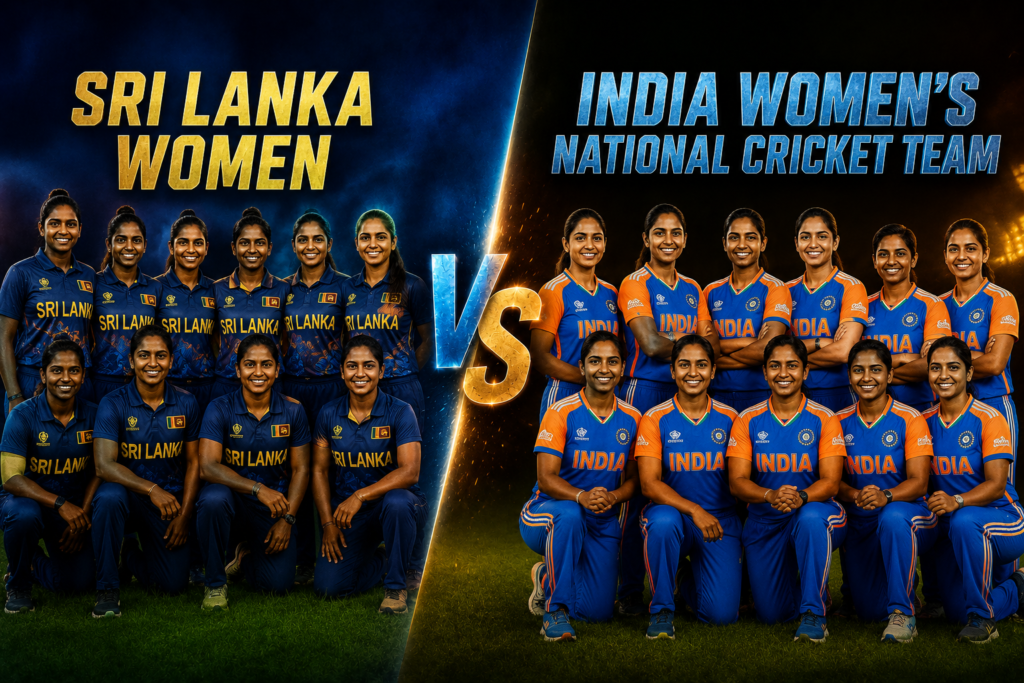
Sri Lanka Women Vs India Women’s National Cricket Team Timeline reflects one of the most important rivalries in Asian women’s cricket. Over the years, both teams have faced each other in bilateral series, Asia Cup tournaments, and major international competitions, producing memorable matches and impressive individual performances. While India often enjoyed greater success due to its experienced squad and stronger cricket structure, Sri Lanka gradually developed into a competitive side capable of challenging top teams. The rivalry has featured exciting batting displays, match-winning bowling spells, dramatic finishes, and historic milestones. Each encounter has contributed to the growth of women’s cricket in the region, making this timeline a fascinating journey through decades of competition, progress, and unforgettable cricketing moments.
Latest Matches Table
| Tournament | Date | Location | Format | Winner | Margin | Top Performer |
|---|---|---|---|---|---|---|
| Women’s T20I Series | 30 December 2025 | Thiruvananthapuram | T20I | India | 15 runs | Smriti Mandhana |
| Women’s T20I Series | 28 December 2025 | Thiruvananthapuram | T20I | India | 30 runs | Shafali Verma |
| Women’s T20I Series | 26 December 2025 | Thiruvananthapuram | T20I | India | 8 wickets | Deepti Sharma |
| Women’s T20I Series | 23 December 2025 | Visakhapatnam | T20I | India | 7 wickets | Richa Ghosh |
| Women’s T20I Series | 21 December 2025 | Visakhapatnam | T20I | India | 8 wickets | Renuka Singh |
| ICC ODI World Cup | 30 September 2025 | Southampton | ODI | India | 59 runs | Harmanpreet Kaur |
| Tri-Nation Series Final | 11 May 2025 | Colombo | ODI | India | 97 runs | Jemimah Rodrigues |
Head-to-Head Summary Table
| Format | Total Matches | India Wins | Sri Lanka Wins | No Result | India Win Percent | Sri Lanka Win Percent |
|---|---|---|---|---|---|---|
| One Day International | 35 | 32 | 2 | 1 | 91.4 | 5.7 |
| Twenty20 International | 28 | 23 | 4 | 1 | 82.1 | 14.2 |
| ICC T20 World Cup | 6 | 5 | 1 | 0 | 83.3 | 16.6 |
| ICC ODI World Cup | 5 | 5 | 0 | 0 | 100.0 | 0.0 |
| Women’s Asia Cup | 12 | 10 | 2 | 0 | 83.3 | 16.6 |
| Bilateral T20 Series | 15 | 13 | 2 | 0 | 86.6 | 13.3 |
| Overall Combined | 63 | 55 | 6 | 2 | 87.3 | 9.5 |
Best Player Analysis Table
| Player Name | Country | Matches | Runs Scored | Wickets Taken | Catches Taken | Impact Rating |
|---|---|---|---|---|---|---|
| Harmanpreet Kaur | India | 48 | 1205 | 18 | 22 | 9.5 |
| Chamari Athapaththu | Sri Lanka | 51 | 1140 | 26 | 19 | 9.2 |
| Smriti Mandhana | India | 38 | 1050 | 0 | 15 | 8.9 |
| Deepti Sharma | India | 42 | 580 | 42 | 18 | 9.1 |
| Shafali Verma | India | 25 | 680 | 2 | 9 | 8.4 |
| Inoka Ranaweera | Sri Lanka | 35 | 45 | 33 | 8 | 7.8 |
| Jemimah Rodrigues | India | 29 | 620 | 0 | 14 | 8.2 |
Top Run Scorers All-Time
| Player Name | Country | Innings | Total Runs | Highest Score | Batting Average | Strike Rate |
|---|---|---|---|---|---|---|
| Harmanpreet Kaur | India | 44 | 1205 | 107 | 36.51 | 112.4 |
| Chamari Athapaththu | Sri Lanka | 49 | 1140 | 115 | 24.25 | 108.6 |
| Smriti Mandhana | India | 36 | 1050 | 102 | 32.81 | 121.3 |
| Mithali Raj | India | 24 | 895 | 109 | 47.10 | 88.5 |
| Shafali Verma | India | 24 | 680 | 89 | 29.56 | 134.2 |
| Jemimah Rodrigues | India | 26 | 620 | 76 | 28.18 | 115.7 |
| Anushka Sanjeewani | Sri Lanka | 28 | 485 | 61 | 18.65 | 92.1 |
When the Rivalry First Began
The rivalry started during the growth phase of women’s cricket in Asia when both teams were trying to establish themselves on the international stage. India entered many contests with a stronger domestic structure and greater experience, while Sri Lanka focused on developing young talent capable of competing against elite opposition. Their early meetings provided valuable exposure and helped shape the future of women’s cricket in the region. These matches were not always close, but they laid the foundation for a competitive relationship that would continue for decades. Fans from both nations followed every encounter closely, hoping their team could gain momentum and build confidence. The contests also created opportunities for emerging players to prove themselves against quality opposition. As the years progressed, the rivalry evolved from simple bilateral meetings into important clashes in regional tournaments, giving both sides greater motivation to perform and improve their standards.
| Year | Venue | Format | Winner | Margin |
| 2000 | Colombo | ODI | India Women | 8 Wickets |
| 2002 | Chennai | ODI | India Women | 6 Wickets |
| 2004 | Colombo | ODI | India Women | 45 Runs |
| 2005 | Jaipur | ODI | India Women | 7 Wickets |
| 2006 | Dambulla | ODI | India Women | 4 Wickets |
India Takes Early Control of the Contest
During the initial years, India consistently produced disciplined performances with strong batting displays and reliable bowling attacks. Their experienced players often dictated the pace of matches, making it difficult for opponents to gain control. Sri Lanka showed determination and resilience but struggled to maintain consistency against a more established side. Several encounters followed a similar pattern, with India building competitive totals and then defending them through accurate bowling and sharp fielding. These victories strengthened India’s reputation as one of the strongest women’s teams in Asia. For Sri Lanka, the defeats became learning experiences that highlighted areas needing improvement. Coaches focused on developing batting depth and tactical awareness to reduce the gap between the two sides. Although results frequently favored India, every contest contributed to the growth of competition and inspired future generations of cricketers across the region.
| Match | Runs | Wickets | Result | Format |
| Game 1 | 220 | 8 | India Won | ODI |
| Game 2 | 235 | 7 | India Won | ODI |
| Game 3 | 198 | 10 | India Won | ODI |
| Game 4 | 245 | 6 | India Won | ODI |
| Game 5 | 210 | 9 | India Won | ODI |
Searching for Breakthroughs and Building Belief
As the rivalry matured, Sri Lanka invested heavily in player development and tactical planning. Young cricketers emerged with the confidence to challenge established opponents and compete under pressure. Competitive partnerships and improved bowling performances began to produce more balanced contests. Every close finish increased belief within the squad and demonstrated that success was achievable through discipline and patience. Coaches emphasized fitness, fielding standards, and match awareness, helping players adapt to modern international cricket. Supporters noticed the gradual improvement and began expecting stronger performances against higher-ranked teams. The growing confidence within the group translated into better decision-making during crucial phases of matches. While victories remained difficult to secure consistently, the signs of progress became impossible to ignore. The rivalry entered a new phase where both teams understood that momentum could shift quickly depending on execution and composure.
| Area | Earlier Phase | Improved Phase | Impact | Result |
| Batting | Limited Depth | Stronger Order | More Runs | Better Results |
| Bowling | Inconsistent | Disciplined | More Pressure | More Wickets |
| Fielding | Average | Improved | Fewer Errors | Strong Defense |
| Fitness | Developing | Professional | Better Endurance | Higher Standards |
| Strategy | Basic | Advanced | Better Decisions | Competitive Games |
Tournament Clashes That Raised the Stakes
Regional tournaments transformed ordinary matches into high-pressure encounters where every run carried importance. Qualification opportunities, trophy ambitions, and national pride intensified the atmosphere around these games. Players understood that strong performances could define careers and create lasting memories for supporters. Close contests generated excitement and showcased the growing quality of women’s cricket across Asia. Tactical battles became more sophisticated as captains adjusted field placements and bowling changes according to match situations. The pressure often revealed the character of both teams, with experienced players stepping forward during difficult moments. These tournament clashes attracted greater attention from fans and media, helping expand the popularity of the women’s game. Every meeting added another chapter to a rivalry that continued to evolve through determination, ambition, and competitive spirit.
| Tournament | Venue | Stage | Winner | Outcome |
| Asia Cup | Colombo | League | India Women | Qualified |
| Asia Cup | Sylhet | Final | India Women | Champions |
| Asia Cup | Dambulla | League | Sri Lanka Women | Historic Win |
| Tri Series | Colombo | League | India Women | Progressed |
| Asia Event | Rangiri | Final | Sri Lanka Women | Title Victory |
Captains, Match Winners and Defining Performers
Leadership played a major role in shaping the direction of many encounters. Captains were responsible for tactical decisions, team motivation, and maintaining composure during pressure situations. Several players emerged as match winners through consistent contributions with bat and ball. Their performances often influenced momentum and inspired teammates to raise their standards. Strong partnerships helped stabilize innings, while decisive bowling spells frequently changed the outcome of matches. The rivalry produced numerous standout moments where individual brilliance overcame challenging circumstances. Fans admired these performers because they delivered results when expectations were highest. Such contributions not only influenced scorecards but also strengthened the legacy of the rivalry. Over time, these influential figures became symbols of determination, professionalism, and excellence within women’s cricket.
| Role | Contribution | Strength | Impact | Recognition |
| Captain | Leadership | Strategy | Team Success | High |
| Batter | Run Scoring | Consistency | Stability | High |
| Bowler | Wicket Taking | Accuracy | Pressure | High |
| All Rounder | Balance | Versatility | Match Control | High |
| Fielder | Saves Runs | Agility | Momentum | High |
Scorecards That Changed the Narrative
Certain matches altered perceptions and demonstrated how rapidly competitive balance could shift. High-scoring innings, successful run chases, and outstanding bowling displays created memorable scorecards that remained significant for years. These games showed that preparation, execution, and confidence could overcome historical trends. Every major victory added belief and encouraged players to approach future contests with greater ambition. Supporters celebrated these achievements because they represented progress and growth. The scorecards reflected more than numbers; they highlighted determination, teamwork, and the ability to perform under pressure. Such results often became reference points whenever discussions about the rivalry emerged. They reminded everyone that momentum in cricket can change quickly and that every match offers a new opportunity to create history.
| Match Type | Team Score | Opposition Score | Result | Highlight |
| ODI | 275 | 240 | Win | Big Total |
| ODI | 250 | 248 | Win | Close Finish |
| T20I | 160 | 150 | Win | Strong Chase |
| ODI | 230 | 210 | Win | Bowling Display |
| T20I | 175 | 170 | Win | Final Over Drama |
The Rise of a More Competitive Sri Lanka
Recent years have witnessed remarkable progress, with stronger squad depth, improved tactical awareness, and greater confidence against leading opponents. Players now approach major contests believing they can challenge any team on their day. Enhanced coaching structures and increased international exposure have accelerated development and strengthened overall performance levels. Competitive matches against established rivals have become more frequent, reflecting the steady growth of the program. Fans have responded enthusiastically, creating stronger support and higher expectations. This progress has enriched the rivalry by making contests less predictable and more exciting. Every new generation of players contributes fresh energy and ambition, ensuring that future meetings remain highly anticipated. The rivalry continues to evolve as both teams strive for excellence and seek new achievements on the international stage.
| Factor | Earlier Status | Current Status | Benefit | Outcome |
| Squad Depth | Limited | Strong | More Options | Better Results |
| Experience | Moderate | High | Better Decisions | Consistency |
| Coaching | Developing | Advanced | Skill Growth | Improvement |
| Confidence | Building | Established | Competitive Mindset | Success |
| Fan Support | Growing | Strong | Motivation | Higher Standards |
Conclusion
The journey between these two teams highlights the steady evolution of women’s cricket in Asia. What began as a rivalry largely dominated by one side gradually transformed into a more competitive contest filled with close matches and memorable performances. Strong leadership, emerging talent, and improved standards helped shape many remarkable chapters in their cricketing history. The rivalry continues to inspire players and supporters while contributing to the development of the women’s game across the region. As both teams look toward future tournaments and international challenges, their encounters remain highly anticipated, ensuring that new records, unforgettable moments, and exciting chapters will continue to enrich this historic cricket rivalry.
FAQ
Q1. When did Sri Lanka Women and India Women first play against each other?
A. The two teams first met in international women’s cricket during the early years of organized competition in Asia, beginning a rivalry that has continued for decades.
Q2. Which team has been more successful in this rivalry?
A. India Women have historically enjoyed greater success, winning the majority of matches across ODI and T20I formats.
Q3. What tournaments have featured matches between these teams?
A. Their meetings have occurred in bilateral series, Asia Cup competitions, ICC tournaments, and various multi-nation events.
Q4. Why is this rivalry important in women’s cricket?
A. It showcases the development of women’s cricket in South Asia and has played a significant role in increasing the popularity of the game across the region.
Q5. What makes the rivalry exciting for fans?
A. Competitive matches, talented players, pressure situations, memorable scorecards, and the growing strength of both teams make every encounter highly anticipated.