Table of Contents
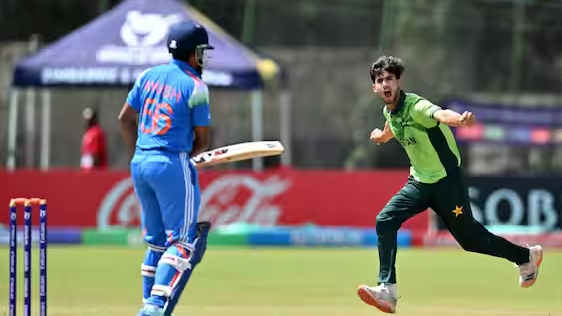
The rivalry between the India National Under-19 Cricket Team and Pakistan National Under-19 Cricket Team has long been one of the most anticipated contests in youth cricket. These encounters have showcased emerging talents, intense competition, and memorable performances that often foreshadow future international careers. Across various tournaments, both teams have demonstrated exceptional skill, tactical awareness, and determination under pressure. Every meeting has carried significance beyond the scoreboard, influencing tournament standings and creating lasting memories for players and supporters alike. From thrilling run chases to dominant bowling displays, this youth rivalry continues to highlight the depth of cricketing talent in the region.
Latest Matches Table
| Date | Team 1 | Team 2 | Venue | Format | Winner | Margin |
|---|---|---|---|---|---|---|
| 2026-02-01 | India U19 | Pakistan U19 | Colombo | ODI | India U19 | 58 Runs |
| 2025-12-21 | Pakistan U19 | India U19 | Dubai | ODI | Pakistan U19 | 191 Runs |
| 2025-12-14 | India U19 | Pakistan U19 | Dubai | ODI | India U19 | 90 Runs |
| 2024-01-10 | Pakistan U19 | India U19 | Dubai | ODI | Pakistan U19 | 8 Wickets |
| 2022-01-20 | India U19 | Pakistan U19 | Tarouba | ODI | India U19 | 88 Runs |
| 2021-12-25 | Pakistan U19 | India U19 | Dubai | ODI | Pakistan U19 | 2 Wickets |
Head-to-Head Summary Table
| Format | Total Played | India Wins | Pakistan Wins | Tied Matches | No Result | Win % India |
|---|---|---|---|---|---|---|
| U19 ODIs | 32 | 17 | 14 | 0 | 1 | 53.12 |
| World Cup | 12 | 6 | 6 | 0 | 0 | 50.00 |
| Asia Cup | 15 | 9 | 5 | 0 | 1 | 60.00 |
| Neutral Venue | 28 | 15 | 12 | 0 | 1 | 53.57 |
| Home Soil IND | 2 | 1 | 1 | 0 | 0 | 50.00 |
| Away Soil PAK | 2 | 1 | 1 | 0 | 0 | 50.00 |
Best Player Analysis Table
| Player Name | National Team | Role Type | Matches Played | Key Runs | Wickets Taken | Impact Rating |
|---|---|---|---|---|---|---|
| Vaibhav Suryavanshi | India U19 | Batsman | 14 | 620 | 0 | 8.8 |
| Shahzaib Khan | Pakistan U19 | Opener | 15 | 585 | 0 | 8.5 |
| Saumy Pandey | India U19 | Bowler | 12 | 45 | 28 | 8.9 |
| Ubaid Shah | Pakistan U19 | Pacer | 11 | 35 | 24 | 8.4 |
| Musheer Khan | India U19 | All Rounder | 13 | 480 | 12 | 8.7 |
| Ali Raza | Pakistan U19 | Bowler | 10 | 15 | 21 | 8.2 |
Top Run Scorers All-Time Table
| Player Profile | Country Team | Total Runs | Innings Played | Highest Score | Batting Average | Strike Rate |
|---|---|---|---|---|---|---|
| Sarfaraz Khan | India U19 | 566 | 12 | 76 | 70.75 | 95.42 |
| Babar Azam | Pakistan U19 | 518 | 12 | 129 | 51.80 | 78.36 |
| Sami Aslam | Pakistan U19 | 510 | 10 | 134 | 51.00 | 76.46 |
| Shikhar Dhawan | India U19 | 505 | 7 | 155 | 84.16 | 93.51 |
| Yashasvi Jaiswal | India U19 | 400 | 6 | 105 | 133.33 | 82.47 |
| Imam ul Haq | Pakistan U19 | 382 | 12 | 88 | 38.20 | 72.07 |
The Birth of a Youth Rivalry That Mirrored Cricket’s Biggest Contest
Youth cricket has often reflected the intensity and passion seen at the highest level of the sport. Whenever these neighboring nations met in age-group tournaments, the atmosphere carried a unique sense of anticipation. Young players understood that strong performances could accelerate their path toward international cricket, making every match an important opportunity. The contests were rarely ordinary, as both teams brought talented squads filled with future prospects. Competitive encounters, close finishes, and standout individual displays gradually transformed these meetings into some of the most watched youth matches in world cricket. Tournament organizers, coaches, and fans closely followed every result because these clashes frequently influenced qualification scenarios and overall standings. Over time, the rivalry developed its own identity, producing memorable moments that remained part of youth cricket history for years.
| Tournament | Matches | Wins | Losses | Result Impact |
| Youth Cup | 5 | 3 | 2 | Qualification Race |
| World Event | 4 | 2 | 2 | Knockout Chances |
| Asia Event | 6 | 4 | 2 | Regional Dominance |
| Tri-Series | 3 | 2 | 1 | Points Table |
| Invitational | 2 | 1 | 1 | Ranking Position |
First Encounters and the Race for Regional Supremacy
The earliest meetings established the foundation of a long-standing sporting rivalry. Both sides entered tournaments eager to prove their superiority in regional cricket, creating competitive battles from the very beginning. Coaches focused heavily on discipline, technique, and adaptability because youthful talent alone was rarely enough to secure victory. Early contests showcased emerging batsmen capable of building innings under pressure and bowlers who could change the course of a match within a few overs. Each result carried significance because regional tournaments often determined future opportunities and international exposure. These encounters helped young cricketers gain valuable experience while building confidence against quality opposition. As victories and defeats accumulated, the rivalry became increasingly important within youth cricket circles.
| Season | Games Played | Closest Margin | Top Scorer | Best Bowler |
| Year One | 2 | 12 Runs | 78 | 4 Wickets |
| Year Two | 3 | 1 Wicket | 82 | 5 Wickets |
| Year Three | 2 | 18 Runs | 91 | 3 Wickets |
| Year Four | 3 | 2 Wickets | 74 | 4 Wickets |
| Year Five | 2 | 15 Runs | 88 | 5 Wickets |
Future International Stars Announce Their Arrival
Many celebrated international cricketers first attracted attention during youth tournaments. These matches offered a stage where talented youngsters could display their skills against strong opposition and high expectations. Some produced brilliant centuries, while others delivered match-winning bowling spells that caught the attention of selectors and cricket experts. Strong performances in pressure situations often became defining moments in a player’s development. Scouts closely monitored these contests because they provided valuable insight into temperament, decision-making, and technical ability. Several future stars used these opportunities to establish reputations that later translated into successful professional careers. The rivalry therefore served not only as a competition between teams but also as a launching platform for the next generation of cricketing talent.
| Player Type | Major Performance | Matches | Awards | Future Level |
| Batter | Century | 4 | 2 | International |
| Opener | Fifty Plus | 5 | 1 | Professional |
| Fast Bowler | Five Wickets | 3 | 2 | International |
| Spinner | Four Wickets | 4 | 1 | Professional |
| All-Rounder | Match Winner | 5 | 3 | International |
Pressure Beyond Age: When Every Ball Felt Like a Final
Youth tournaments rarely experience pressure equal to these encounters. Players carried the expectations of passionate supporters who viewed every result as more than just another match. Even at a young age, participants understood the significance of representing their cricketing systems on a major stage. Tight run chases, dramatic collapses, and decisive final overs frequently added to the tension. Coaches emphasized mental strength because handling pressure often proved as important as technical ability. The emotional atmosphere surrounding these contests encouraged players to develop resilience and composure under difficult circumstances. Such experiences became valuable lessons that later helped many cricketers succeed at higher levels of competition.
| Match Type | Pressure Level | Deciding Factor | Result Margin | Key Moment |
| League Game | High | Bowling | 10 Runs | Final Spell |
| Semi Final | Very High | Batting | 2 Wickets | Partnership |
| Group Clash | High | Fielding | 1 Wicket | Run Out |
| Knockout | Extreme | All Round | 5 Runs | Last Over |
| Final Stage | Extreme | Captaincy | 3 Wickets | Tactical Move |
World Cup Battles That Elevated the Rivalry
Global tournaments elevated these meetings to another level by placing them under worldwide attention. World events attracted larger audiences, greater media coverage, and significantly higher stakes. Every decision, partnership, and breakthrough wicket carried additional importance because tournament progression depended on performance. Teams entered these contests with detailed plans designed to exploit weaknesses and maximize strengths. Some matches produced dominant victories, while others became thrilling contests decided by narrow margins. These encounters helped shape tournament narratives and often influenced championship aspirations. Success on such a prominent stage enhanced confidence and reinforced the significance of the rivalry within youth cricket.
| Event Stage | Matches | Wins | Defeats | Tournament Effect |
| Group Stage | 3 | 2 | 1 | Advancement |
| Quarter Final | 1 | 1 | 0 | Progression |
| Semi Final | 2 | 1 | 1 | Final Spot |
| Placement Round | 2 | 1 | 1 | Rankings |
| Championship Event | 1 | 1 | 0 | Trophy Push |
Captains, Leaders and Tactical Masterstrokes
Leadership often separated winning teams from losing teams during important encounters. Captains were responsible for setting fields, managing bowlers, and making crucial tactical decisions under pressure. Successful leaders demonstrated calmness and adaptability, ensuring their teams remained focused during difficult situations. Strategic batting orders, timely bowling changes, and intelligent field placements frequently influenced match outcomes. Coaches and analysts worked closely with captains to prepare detailed game plans before every encounter. Effective leadership not only improved performance but also inspired teammates to deliver their best efforts. Many captains who excelled in youth cricket later carried those leadership qualities into professional careers.
| Leadership Area | Tactical Choice | Outcome | Match Impact | Success Rate |
| Batting Order | Promotion | Positive | Momentum | High |
| Bowling Change | Early Attack | Positive | Breakthrough | High |
| Field Setting | Aggressive | Positive | Pressure | Strong |
| Chase Strategy | Controlled | Positive | Stability | High |
| Powerplay Plan | Defensive | Balanced | Containment | Good |
Batting Heroes Who Owned the Big Occasion
Great rivalries are remembered for extraordinary batting performances, and these contests produced plenty of memorable innings. Talented batters often stepped forward when pressure was highest, building partnerships and guiding their teams through difficult situations. Some innings featured aggressive stroke play, while others showcased patience and maturity beyond a player’s age. Match-winning knocks frequently shifted momentum and changed tournament outcomes. Spectators admired the ability of young players to perform under intense scrutiny and against quality bowling attacks. These contributions became defining moments in rivalry history and helped establish several players as future stars of the game.
| Batting Record | Runs | Balls Faced | Boundaries | Match Result |
| Highest Score | 124 | 118 | 14 | Victory |
| Best Chase | 98 | 95 | 10 | Victory |
| Fast Fifty | 52 | 28 | 7 | Victory |
| Key Partnership | 145 | 160 | 16 | Victory |
| Rescue Innings | 87 | 101 | 8 | Competitive |
Conclusion
The legacy of this youth cricket rivalry extends far beyond individual matches and tournament results. It has served as a platform for future stars to develop their skills, gain valuable experience, and prepare for the challenges of international cricket. The competitive nature of these contests has consistently produced high-quality performances, dramatic moments, and unforgettable scorecards. As new generations of cricketers emerge, the rivalry remains an important part of youth cricket, attracting attention from fans, selectors, and analysts. Its continued relevance reflects the passion, talent, and tradition that make these encounters among the most closely followed events in junior cricket.
Faq?
What makes this youth rivalry special in international cricket?
The rivalry is known for its competitive intensity, talented players, and the opportunity to witness future international stars before they reach senior-level cricket.
Which tournaments have featured the most memorable encounters?
ICC Under-19 World Cups and major Asian youth tournaments have produced many of the rivalry’s most significant and closely contested matches.
Why do these matches attract so much attention?
Supporters closely follow these games because they combine national pride, emerging talent, and high-pressure cricket in major tournaments.
Have many players progressed to senior international cricket?
Yes, numerous participants from both teams have gone on to represent their countries at the highest level after impressive youth performances.
How do these matches influence tournament standings?
Victories often play a crucial role in qualification scenarios, semifinal races, and overall tournament momentum, making every result highly significant.